What credit score do you need for a personal loan in 2026?
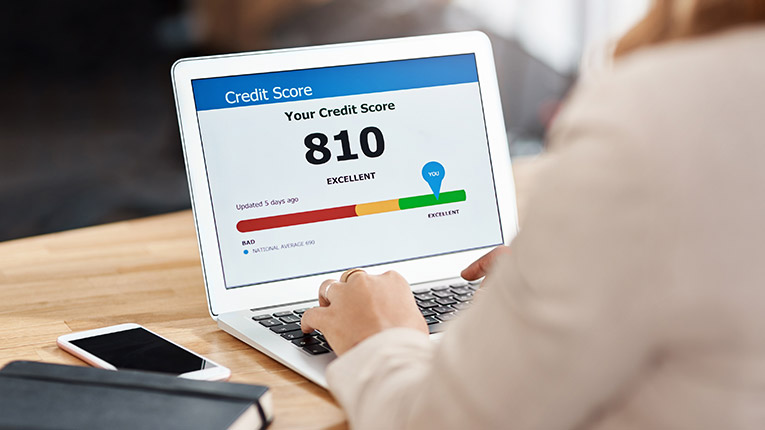
Before you apply for a personal loan, your credit score gives you a read on two things: whether you're likely to qualify, and roughly what loan terms to expect. Both matter, but the latter often gets less attention than it deserves. Here's how different score ranges typically play out and what you can do before you apply.
What your credit score does in a loan application
Your credit score is a summary of your credit history—how consistently you've paid, how much of your available credit you use, how long you've held accounts, and how recently you've applied for new credit. Credit score, along with other factors that shape your overall credit profile, helps determine whether you qualify, your APR and other loan terms.
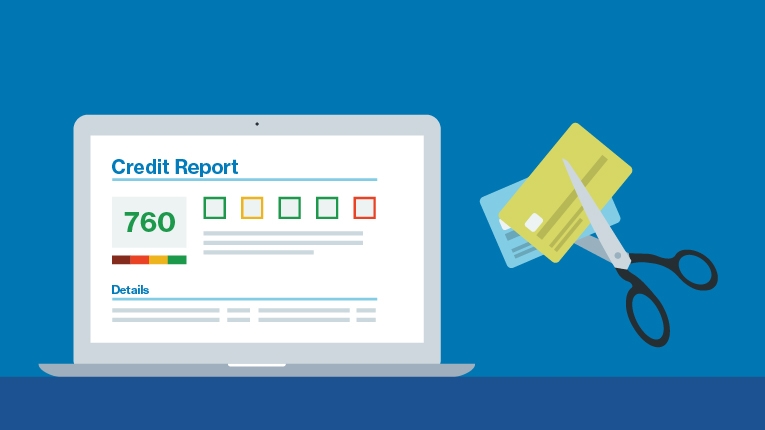
Two borrowers can get approved by the same lender at very different APRs. For example, a score of 760 and a score of 650 might both clear the threshold of approval, but the APR offered to each will likely be different. The gap between them is what you're really optimizing for when you work on your credit score before applying.
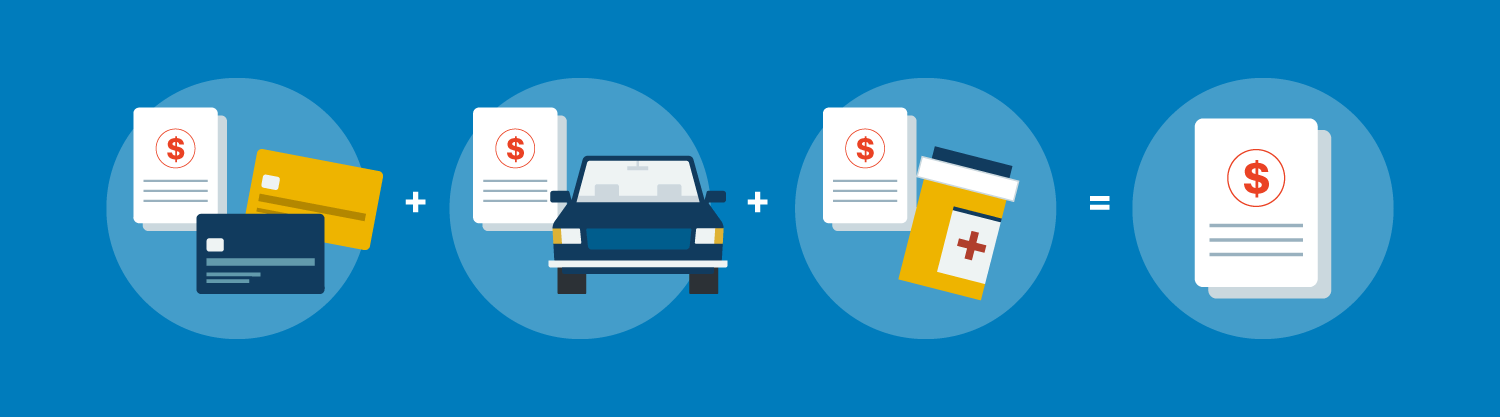
Your score is also one factor among several. Your debt-to-income (DTI) ratio—how much of your monthly income already goes toward existing debt—matters. So does your income, your employment stability, and the loan amount you're requesting. A strong income can work in your favor even if your score isn't where you'd like it. A high DTI can become a problem even with a good score. It’s the overall credit profile that matters.
What different score ranges typically mean
Your FICO scores range from 300 to 850. Most lenders use FICO when evaluating personal loan applications. Here’s how the ranges typically map to borrower outcomes, based on FICO’s own tiers:
Exceptional (800–850). If you fall in this range, you usually qualify for the best loan terms most lenders offer. This range sits comfortably above that of most consumers, and is associated with low risk. You can usually expect APR offers at the lower end of a lender’s published range.
Very good (740–799). This range is also well-positioned for good offers. You can usually expect favorable APRs, and approval is usually not an issue.
Good (670–739). This represents the broad middle range of the credit spectrum. Approval is common, and the APR offer will depend more on income, DTI ratio, and loan amount than on your credit score alone.
Fair (580–669). This range sits below the average. Approvals will depend on multiple factors. If approved, APRs generally tend to be on the higher side.
Poor (300–579). Personal loan approval is harder to secure in this range. Secured loans or co-borrower options may be worth exploring.
It is key to note that these tiers are reference points and not definitive. The only way to uncover what you’ll be offered is to check your rate.
What else shapes your credit profile
Your credit score is one part of your credit profile. There are a few other factors that matter for your application.
Your debt-to-income (DTI) ratio. This is how much of your monthly income already goes toward existing debt payments. The lower it is, the more room your budget has for a new payment. An ideal DTI for a personal loan is 36% or less, though many lenders will consider applications up to 50%.
Your income and employment. Consistent income from a stable source is what gives your application its foundation. Recent pay stubs, bank statements, or tax returns are typically how it gets verified. Self-employed applicants usually need at least two years of returns to show a reliable picture.
The loan amount you're requesting. A $5,000 loan and a $30,000 loan look very different against the same income. The amount you ask for affects how your full credit profile is read and the APR you're offered.
Understanding your options if your credit score needs work
If your score isn’t where you’d like it to be, two actions generally help most in the near term.
Consider revolving balances. Credit utilization—the amount you owe on credit cards and lines of credit relative to your available credit—is one factor that may affect your credit score. Paying down revolving balances can potentially lower your credit utilization once updated balances are reported to the credit bureaus. However, whether and when this results in a change to your credit score can vary based on your overall credit profile and the scoring model used.
Make every payment on time. Payment history remains the single largest factor in your FICO score. Missed payments in general can affect your score adversely. Consistent on-time payments can have a positive impact.
Applying with a co-borrower (if permitted). If your score is holding you back, applying with someone who has a stronger credit profile can make a difference. However, co-borrower availability and requirements vary by lender.
For a fuller breakdown of what moves your score and how fast, see 5 financial habits to improve your credit score.
If you want to see what loan terms you'd qualify for, check your rate with Happen Bank. It takes seconds and won't affect your credit score.1,2
Frequently asked questions
What is the minimum credit score for a personal loan?
There is no universal minimum, but a score above 580 helps. Your eligibility is determined by a combination of several factors, and not your credit score alone. One way to determine where you stand is to check your rate.
Can I get a personal loan with a 650 credit score?
Possibly, depending on the lender and the rest of your credit profile. A 650 score falls in the fair credit range. Your income, DTI ratio, and loan amount all weigh into the decision alongside your score.
How can I improve my credit score before applying for a personal loan?
You’ll typically see the fastest results by paying down revolving credit card balances—it lowers your utilization ratio—and making every payment on time. Both actions can produce noticeable score changes. For a full breakdown, see 5 financial habits to improve your credit score.
Related terms
Disclosures
Checking a rate through us generates a soft inquiry on a person’s credit report, which does not impact that person’s credit score. A hard credit inquiry, which may affect that person’s credit score, only appears on the person’s credit report if and when a loan is issued to the person.
Between April 2026 to June 2026, 66% of Happen Personal Loans that were approved for funding (which is after your loan application is approved) on a given business day were disbursed within 24 hours. Actual availability of funds may vary and is dependent on multiple factors, including, but not limited to your receiving bank’s processing times and policies. A business day is defined as Monday through Friday and excludes the weekend and bank holidays.
You May Also Like