{noun} A request by a lender to a credit bureau to look at your full credit report that will impact your credit score.
Hard Credit Inquiry
January 29, 20233 min read
A request by a lender to a credit bureau to look at your full credit report that will impact your credit score.
What is a Hard Credit Inquiry?
A hard credit inquiry, also called a “hard credit check” or “hard pull,” is a type of credit information request that generally occurs when a lender or company reviews your full credit report during the loan or credit card application process and may cause a temporary decrease in your credit score. Hard credit inquiries are used by lenders and credit card issuers to help determine how much risk you present as a potential borrower, and whether to extend you a loan or line of credit.
What Happens When a Hard Credit Inquiry Is Made?
Generally, when you apply for a new loan or credit line, the lender or card issuer requests a copy of your credit report from one or more of the three credit bureaus: Equifax, Experian, and TransUnion. Hard credit inquiries will impact your credit score because most credit bureau scoring models account for how recently and how frequently you apply for credit. The impact to your credit score is usually short-lived.
During the inquiry, a lender or card issuer reviews how you’ve handled your finances—past and present. Your payment history and account balances along with other factors are taken into consideration to help the lender determine whether you’re a reasonable credit risk and likely to repay the money you borrow.
Why Are Hard Credit Inquiries Important?
Financial institutions issuing credit-based loans and lines of credit use hard inquiries so they can look at your full credit report to help decide if you’re a responsible borrower who may be able to manage an additional monthly payment. If you have a track record of on-time payments and demonstrate good credit utilization, lenders may be more inclined to approve your request for additional credit. Your positive credit history can also result in lower interest rates.
However, a spotty credit history with late payments may indicate you have trouble meeting your financial obligations. In this case, lenders may not feel you have the capacity to take on more debt and may decline your application, or they may approve your application and charge you a higher interest rate.
What Can Trigger a Hard Inquiry?
When you want to borrow money, a few different actions may trigger a hard credit inquiry, including:
Applying for a new loan (e.g., personal, auto, mortgage)
Applying for a new line of credit
Requesting a credit limit increase
Other situations may also trigger a hard pull:
Renting a home or apartment
Applying for a job
It’s important to know that lenders and individuals are not allowed to perform a hard credit pull without your permission.
How Long Does a Hard Credit Check Stay on Your Credit Report?
The effect of a hard credit check varies. A single hard pull may remain on your credit reports for two years, but it probably won’t impact your credit score for that long. While hard pulls can temporarily decrease your credit score by a few points, they generally won’t have much if any effect on your credit score after about one year. However, multiple inquiries may have a more significant impact as it may signal financial distress.
How Many Hard Inquiries Are Considered Too Many?
There’s no set number of hard inquiries that are considered excessive. For example, if a lender sees one or two in a short period, they may not be concerned. But if you have several hard inquiries during a short time the lender may consider you a higher-risk borrower since it could look like you’re trying to take out more credit than you could responsibly repay.
Does Shopping for a Loan Result in Multiple Hard Credit Inquiries?
The degree to which multiple hard pulls will negatively impact your credit score varies depending upon a number of different factors.
For example, hard inquiries from two or more lenders may be viewed as a single inquiry if you're shopping for a mortgage, auto loan, or student loan. That’s because it’s common for borrowers to rate-shop: comparing loans and rates from different lenders. However, for multiple hard inquiries to count as one they must be made within a specific timeframe. Generally, the timeframe for FICO Scores is 30 days and 14 days for VantageScores.
Keep in mind that if you’re applying for multiple credit cards in a short timeframe, most lenders won’t typically consider those hard inquiries as one.
How Much Do Hard Credit Checks Impact Your Score?
One hard credit check can cause your credit score to decrease by a few points. If you’re considering applying for several loans or credit cards in a relatively short time frame, it’s important to consider the potential impact to your credit score.
What’s the Difference Between a Hard and Soft Credit Check?
While a hard inquiry can decrease your score by a few points, soft inquiries do not impact your score. Before applying for credit, it’s important to know which inquiry a lender will use.
Generally, employers and landlords use soft credit checks when you start a new job or submit a rental application, however, some may ask you for a hard pull. In lending, soft inquiries are typically used during a prequalification process.
For example, if you apply for a personal loan pre-approval, your lender may do a soft credit check to help determine the interest rate they can offer. If you decide to use the lender, they’ll then perform a hard inquiry to look at your full credit profile before decided whether to approve your loan.
You May Also Like
Related Articles
Debt consolidation replaces multiple high annual percentage rate (APR) balances with one fixed-APR personal loan. Before applying, knowing exactly what is owed, verifying that it actually saves money, checking your credit score, gathering documents, and checking your rate to see the actual APR before committing are important steps. This guide walks through each step in order.
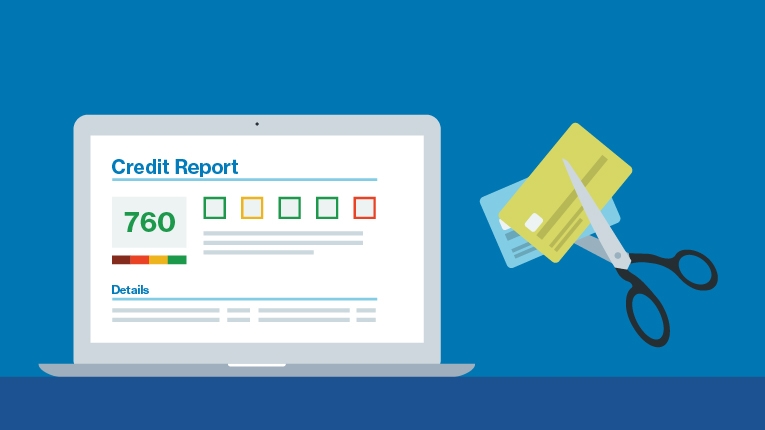
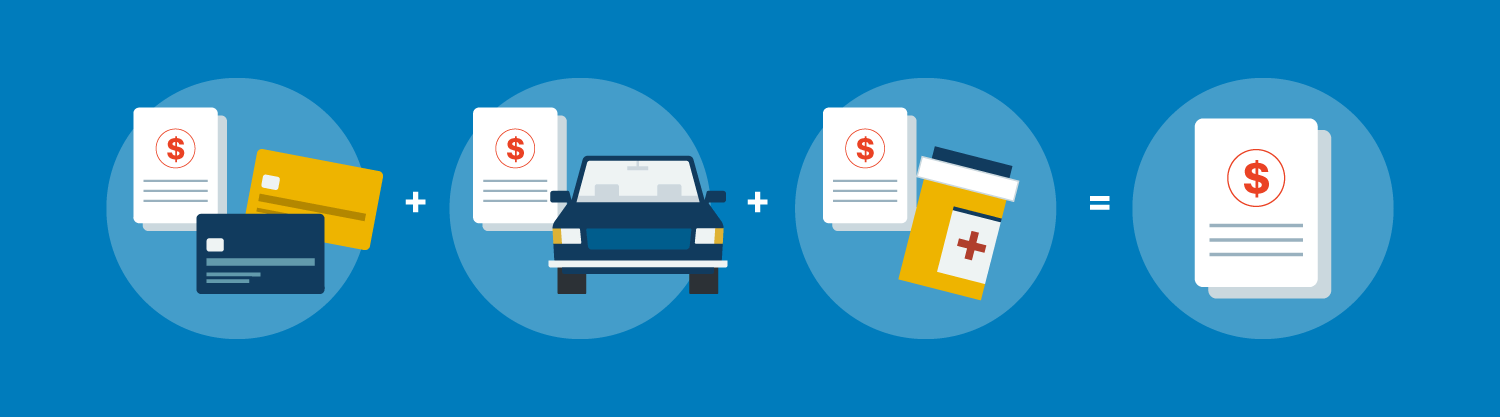
Debt consolidation combines multiple high-APR debts into a single payment—ideally at a lower APR, with a defined end date. It can help save money and simplify your finances, but whether it makes sense depends on your credit profile, the APR you can qualify for, and your ability to avoid new debt after consolidation.
Applying for a personal loan may affects your credit score differently at each stage of the process: from the initial rate check through to full repayment. A personal loan can affect a credit score positively or negatively over time, depending upon several factors.

When you consider taking out a personal loan, there are two ways in which your rate can be structured. The choice affects not just your monthly payment, but the total cost of borrowing over the full term, particularly if your loan runs several years.
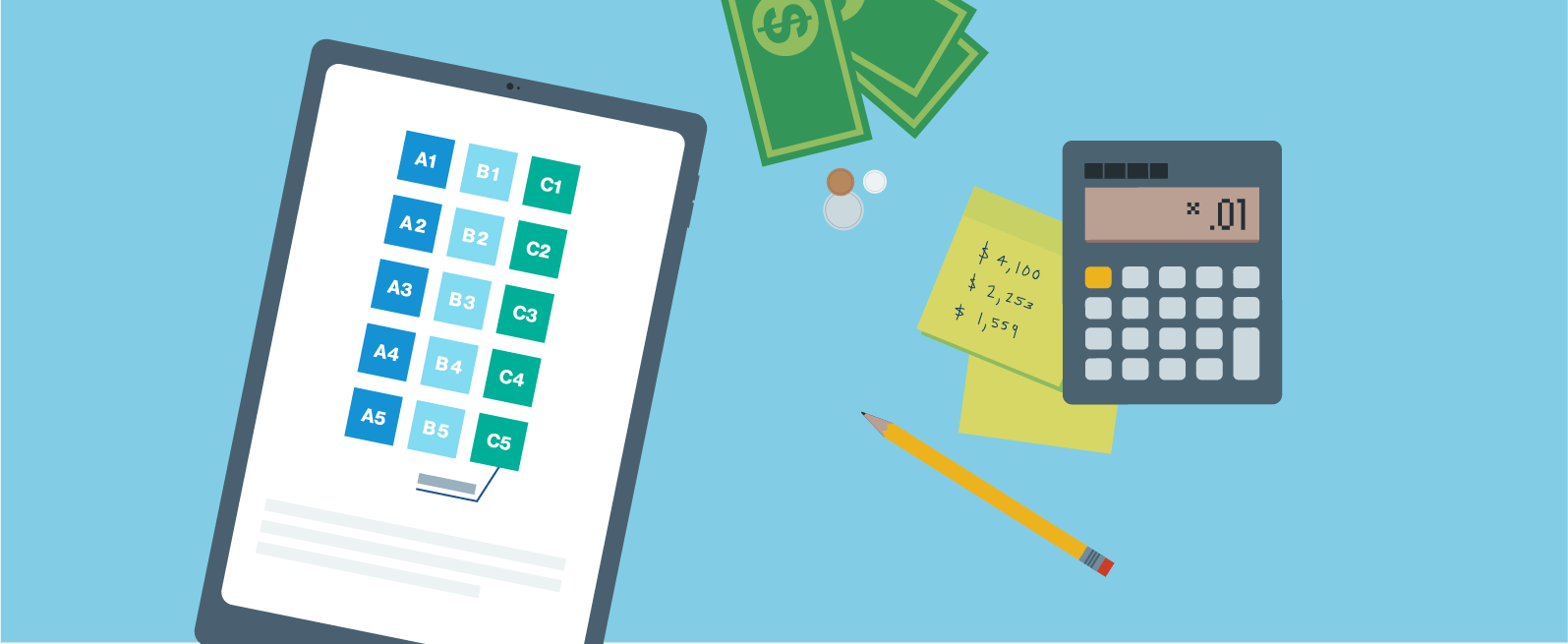
When people worry about debt consolidation hurting their credit, they’re usually thinking about how a loan application affects their credit score. What may negatively affect a credit score is a missed payment, a closed account that shortens your credit history, or new spending on the cards you just paid off.
Related Impact
Today, we are thrilled to announce the completion of our acquisition of Radius Bancorp, Inc. (“Radius”). In February 2020, we announced our intent to acquire Radius and shared how we can grow and deepen our customer relationships with a marketplace bank.

Today, we are thrilled to announce the completion of our acquisition of Radius Bancorp, Inc. (“Radius”). In February 2020, we announced our intent to acquire Radius and shared how we can grow and deepen our customer relationships with a marketplace bank.
Related FAQ's
You can view and manage most of your account information by signing in on the web or using the Happen Bank mobile app, including your password, phone number, physical address, loan documents, payment methods, and two-factor authentication settings.
Contact our team at 833-498-1399.
The Society for Worldwide Interbank Financial Telecommunication (SWIFT) Code is a unique identification code that may be required by some banks, broker-dealers, and investment managers for the completion of international wire transfers.
Personal Banking Customers: Our Elite and Reserve Tier customers can place a wire via Online banking or the Happen Bank Mobile app. For all other customers, they can reach out to Customer Service at 800.242.0272 to initiate a wire.
LevelUp Savings is a high-yield savings account that rewards you with a higher LevelUp Rate when you make deposits of at least $250 per statement cycle.
Related Glossary
{noun} A type of credit that allows the borrower to make charges and payments against a set borrowing limit, paying interest only on outstanding balances.
{noun} The amount of unpaid interest that has accumulated as of a specific date, either on a loan or an interest-bearing account or investment.
{noun} The total annual cost to borrow money, including fees, expressed as a percentage.
A debt that is written off as a loss because the financial institution or creditor believes it is no longer collectible due to a substantial period of nonpayment.
{noun} An interest rate that remains the same for a set time, usually for the life of the loan.