A debt that is written off as a loss because the financial institution or creditor believes it is no longer collectible due to a substantial period of nonpayment.
Charge-Off
February 8, 20233 min read
A debt that is written off as a loss because the financial institution or creditor believes it is no longer collectible due to a substantial period of nonpayment.
What Is a Charge-Off?
A charge-off on your credit report indicates the financial institution or creditor has written the account off as a loss and has stopped attempting to collect on a debt that you owe. However, a charge-off does not mean your debt is forgiven—it may be transferred to a collection agency or sold to a debt buyer. As long as the debt remains outstanding, you're still responsible to pay it.
How Does a Charge-Off Work?
When you miss a payment on a loan or credit card or have a bank account with a negative balance, the creditor or financial institution will attempt to collect the amount you owe. At some point, the creditor may determine the debt is uncollectible and decide to charge it off. This means the creditor has written off the remaining balance as a loss.
At this point, the creditor will report the account as “Charged Off” to the credit reporting agencies which will appear on your credit reports along with the account balance. If the charge-off is legitimate and you can't convince the creditor to remove it, a charge-off can remain on your credit reports for up to seven years after your first missed payment.
Once a creditor has charged off a debt, they may decide to sell it to a debt buyer or transfer it to a debt collection agency for pennies on the dollar. If this happens, your account will be closed, interest will stop accruing on your balance, and your credit report will reflect that the account was "Charged Off." However, you will still be liable for paying off the debt to the debt collection agency. Additionally, the collection agency may report a collection account for the same debt, further impacting your credit score.
Will a Charge-Off Impact Your Credit Score?
Your payment history is the most influential factor in your FICO credit score. Missing just one payment could have a significant negative impact on your credit score.
If a debt balance remains unpaid long enough for the creditor to stop attempting to collect payment, the worsening delinquency and subsequent charge-off could have a long-term and far reaching impact to your credit score.
For example, a low credit score and history of nonpayment may make it more difficult to get approved for credit in the future. It may also impact your ability to get approved for a residential lease or to qualify for lower interest rates on auto or homeowners insurance.
How Can You Repair a Charge-Off?
The best way to repair a charge-off is to prevent it from happening. If you start missing payments, don't ignore the situation. Contact your lender and ask if there’s anything that can be done to help you avoid a charge-off situation.
In the event your debt is charged off, as long as there is a balance, you’re still responsible for repayment which is why you should consider ways to pay off the debt as soon as possible to avoid having it go to collections. Even if you cannot pay off the debt in full, you may want to consider negotiating a payment settlement with the creditor for less than what you owe or, if necessary, having the debt discharged in bankruptcy.
In some cases, you may be able to negotiate with the lender to remove the charge-off from your credit report in exchange for full payment—a process known as “pay for delete.” Even if you can't get it removed, paying off the balance could potentially reduce the impact to your credit score.
If the creditor does sell the debt to a collection agency, you'll face more attempts to collect the amount you owe. Some debt collectors may even resort to lawsuits to force collection through a court order.
How Can You Limit Charge-Off Damage?
The timeframe for when a creditor decides to charge-off an account ranges from 120 to 180 days from your initial delinquency date. You'll typically receive letters and phone calls reminding you of the past-due payment, urging you to get caught up. Don't ignore the creditor—this is the best time to talk to the lender to see if you can avoid a charge-off.
If you've had an account charged off recently, contact the creditor as quickly as possible to verify the accuracy of the account details and look for opportunities to pay off some or all of the debt to avoid transfer to a collection account and further damage to your credit score.
In some cases, a charge-off could be reported in error. If this happens, it could damage your credit score, so you should act quickly to dispute the negative item with the credit reporting agencies. As long as the dispute isn't frivolous, the credit bureaus are required to investigate it and remove or update the information if it's found to be innacurate.
To contact the credit bureaus:
If the creditor decides to charge-off your account, it'll only report only to the credit reporting agencies that it normally reports to. For many lenders, it's all three, but some lenders may only report to one or two of the major credit bureaus.
Keep more of what you earn and earn more on what you save.
Checking your rate won’t impact your credit score.2

You May Also Like
Related Articles
With direct creditor payment, funds from your debt consolidation loan are disbursed to your outstanding accounts rather than being deposited into your bank. Some lenders offer an APR discount for borrowers who choose this feature. Here are five lenders that offer direct pay options.

Debt consolidation combines multiple high-APR debts into a single payment—ideally at a lower APR, with a defined end date. It can help save money and simplify your finances, but whether it makes sense depends on your credit profile, the APR you can qualify for, and your ability to avoid new debt after consolidation.
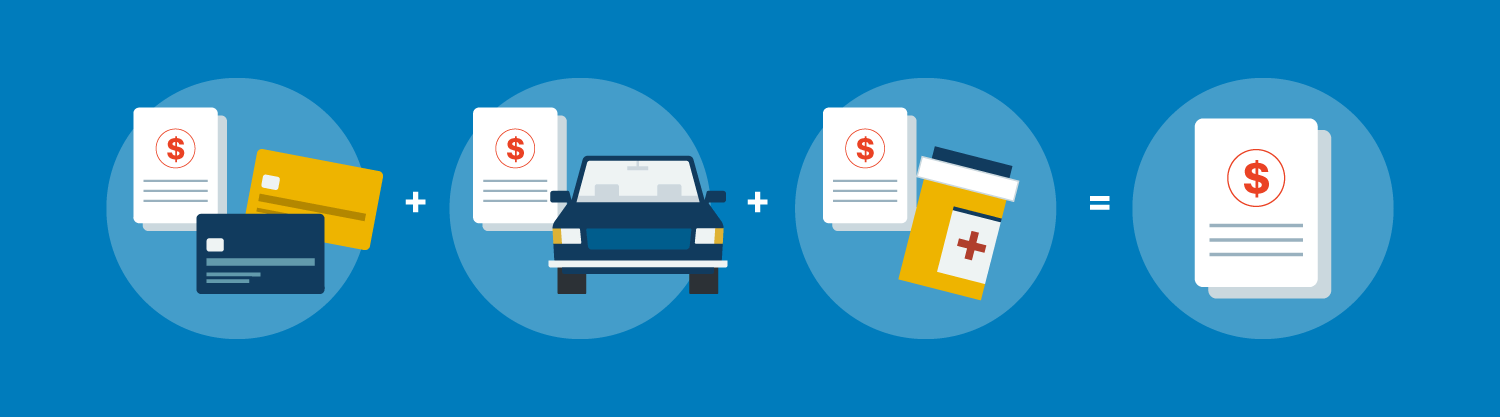
Debt consolidation replaces multiple high annual percentage rate (APR) balances with one fixed-APR personal loan. Before applying, knowing exactly what is owed, verifying that it actually saves money, checking your credit score, gathering documents, and checking your rate to see the actual APR before committing are important steps. This guide walks through each step in order.
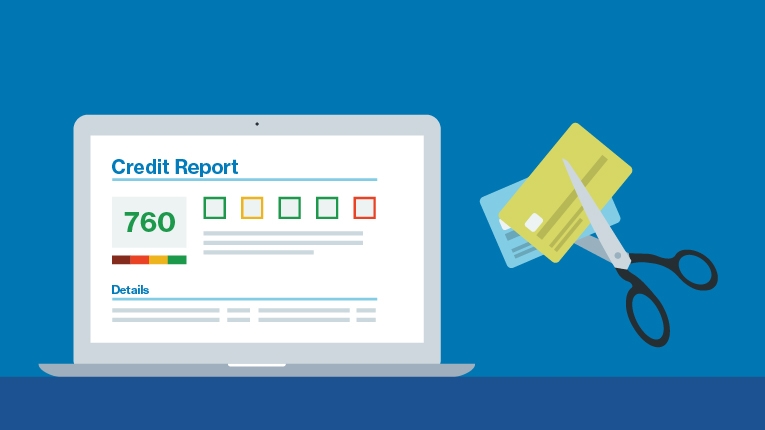
Applying for a personal loan may affects your credit score differently at each stage of the process: from the initial rate check through to full repayment. A personal loan can affect a credit score positively or negatively over time, depending upon several factors.

When you consider taking out a personal loan, there are two ways in which your rate can be structured. The choice affects not just your monthly payment, but the total cost of borrowing over the full term, particularly if your loan runs several years.
Related Impact
Today, we are thrilled to announce the completion of our acquisition of Radius Bancorp, Inc. (“Radius”). In February 2020, we announced our intent to acquire Radius and shared how we can grow and deepen our customer relationships with a marketplace bank.

Today, we are thrilled to announce the completion of our acquisition of Radius Bancorp, Inc. (“Radius”). In February 2020, we announced our intent to acquire Radius and shared how we can grow and deepen our customer relationships with a marketplace bank.
Related FAQ's
You can view and manage most of your account information by signing in on the web or using the Happen Bank mobile app, including your password, phone number, physical address, loan documents, payment methods, and two-factor authentication settings.
Contact our team at 833-498-1399.
The Society for Worldwide Interbank Financial Telecommunication (SWIFT) Code is a unique identification code that may be required by some banks, broker-dealers, and investment managers for the completion of international wire transfers.
Personal Banking Customers: Our Elite and Reserve Tier customers can place a wire via Online banking or the Happen Bank Mobile app. For all other customers, they can reach out to Customer Service at 800.242.0272 to initiate a wire.
LevelUp Savings is a high-yield savings account that rewards you with a higher LevelUp Rate when you make deposits of at least $250 per statement cycle.
Related Glossary
{noun} A type of credit that allows the borrower to make charges and payments against a set borrowing limit, paying interest only on outstanding balances.
{noun} The total annual cost to borrow money, including fees, expressed as a percentage.
{noun} The amount of unpaid interest that has accumulated as of a specific date, either on a loan or an interest-bearing account or investment.
{noun} An interest rate that remains the same for a set time, usually for the life of the loan.
{noun} A loan used to pay off one or more debt accounts, usually to change interest costs, monthly payment, and/or payment term.