{noun} A record of borrowing and repayment activity over a period of time that reflects your ability to manage and pay your debt obligations.
Credit History
January 29, 20234 min read
What is credit history?
Your credit history is a record of borrowing and repayment activity over a period of time that reflects your ability to manage and pay your debt obligations. Companies check your credit history by reviewing your credit report, which details information about the number and type of your credit accounts, amounts owed, available credit used, payment history, account opening date, recent credit inquiries, and whether you have any bankruptcies, liens, collections, or judgments.
Your credit history results in a credit report and credit score. Creditors use these to determine whether to extend you additional credit based in part on how well you’ve handled past financial obligations, among other factors. For example, creditors, landlords, and insurance companies typically review your credit report when you apply for a new loan, line of credit, or financial obligation.
How do you build credit history?
Building credit history isn’t something that can be done overnight; it’s something you build over time.
As you open new accounts, creditors report your accounts to one or more of the three major credit bureaus: Equifax, Experian, and TransUnion. Creditors may then report your payment history to the credit bureaus, typically updating your information every 30 to 45 days.
Over time, your payment and account history paints a financial picture as part of your credit report that creditors look at to help them determine your credit risk.
How is credit history related to credit score?
Your credit report, which contains your credit history, is used to calculate your credit score—a numerical snapshot of your financial history. A long history of on-time payments and responsible debt management tends to help your score. A short credit history or a spotty financial track record including late payments, collection accounts, and other financial red flags tend to hurt your credit score.
Since your credit history is an ongoing financial story, it can and will change over time. From the day you open your first credit account, your credit history builds. If you make a late payment or experience a financial rough patch, you can continue to rebuild your credit history with a track record of on-time payments.
https://blog.happen.com/how-often-credit-score-updateMuch of the information in your credit reports come directly from your creditors, such as lenders, banks, and credit card issuers. These companies send updates to the credit bureaus with new information about your credit history every 30 to 45 days.
Why is credit history important?
Checking credit reports and credit scores is one way lenders and others evaluate your creditworthiness and determine your credit risk.
If you have a short or poor credit history, you might:
Pay a higher interest rate when borrowing money
Find it difficult to be approved for loans or credit cards
Have challenges when applying for a new lease on a home or apartment
Suffer setbacks when applying for a job
Be required to make a substantial cash deposit for certain utilities
A positive credit history may help you:
Get approved for credit
Qualify for bigger loans or higher credit limits
Receive lower interest rates or more favorable credit terms
Qualify for credit cards with rewards and perks
Pay less for home, renters, or auto insurance
Rent a house or apartment
Get a job
How to check your credit history
You can get free copies of your credit reports from Equifax, Experian, and Transunion by visiting AnnualCreditReport.com or calling 877-322-8228. As of the date of this writing, all three credit bureaus continue to offer free online credit reports once per week.
What does my credit history show?
Your credit report typically shows:
Personal identifying information:
Name, former names and name variations
Date of birth
Social Security number
Current and previous addresses
Phone number
Credit accounts:
Current and closed credit accounts
Amount of loan or credit limit
Current balance
Payment history
When the account was opened
Negative information (if applicable):
Accounts in collections
Foreclosures within the past 7 years
Bankruptcies up to the past 10 years (or more in certain instances)
Late payments
Inquiries:
If someone has checked (or “inquired into”) your credit report within the past 2 years, that will be listed.
Why should I check my credit report?
Credit reports sometimes have errors that can negatively affect your credit score, which can make it harder to get credit.
For this reason, it’s wise to check each credit bureau’s credit reports at least once a year and review them carefully. If you find incomplete or incorrect information, you can follow the resources here to correct discrepancies.
Discovering an account you don’t recognize on your credit report could be a sign of identity theft or other fraud. Contact the creditor and the Federal Trade Commission for information and to learn how to proceed.
What if you don't have a credit history?
You need credit in order to build a credit history. If you’re a student, don’t have a credit account, or have never borrowed money or used credit cards, you won’t have a credit history. Fortunately, building a credit history isn’t difficult.
Making timely payments on a student loan is one way to build a credit history; another is to take out a credit-builder loan. You can also ask a friend or family member with good credit to add you as an authorized user on one of their credit cards. Applying for a store credit card or secured credit card is also an option; these cards are generally easier for people without credit histories to obtain.
To build a positive credit history, make your loan and credit card payments on time. With each passing month and year, you’ll build a stronger credit history, which can open many financial doors.
You May Also Like
Related Articles
Debt consolidation replaces multiple high annual percentage rate (APR) balances with one fixed-APR personal loan. Before applying, knowing exactly what is owed, verifying that it actually saves money, checking your credit score, gathering documents, and checking your rate to see the actual APR before committing are important steps. This guide walks through each step in order.
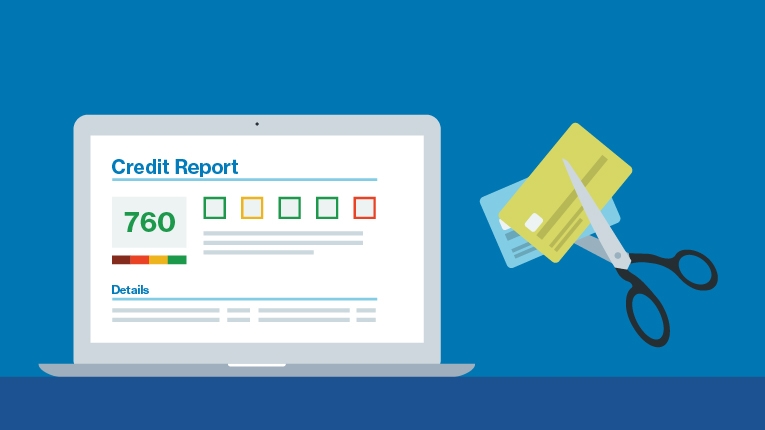
Debt consolidation combines multiple high-APR debts into a single payment—ideally at a lower APR, with a defined end date. It can help save money and simplify your finances, but whether it makes sense depends on your credit profile, the APR you can qualify for, and your ability to avoid new debt after consolidation.
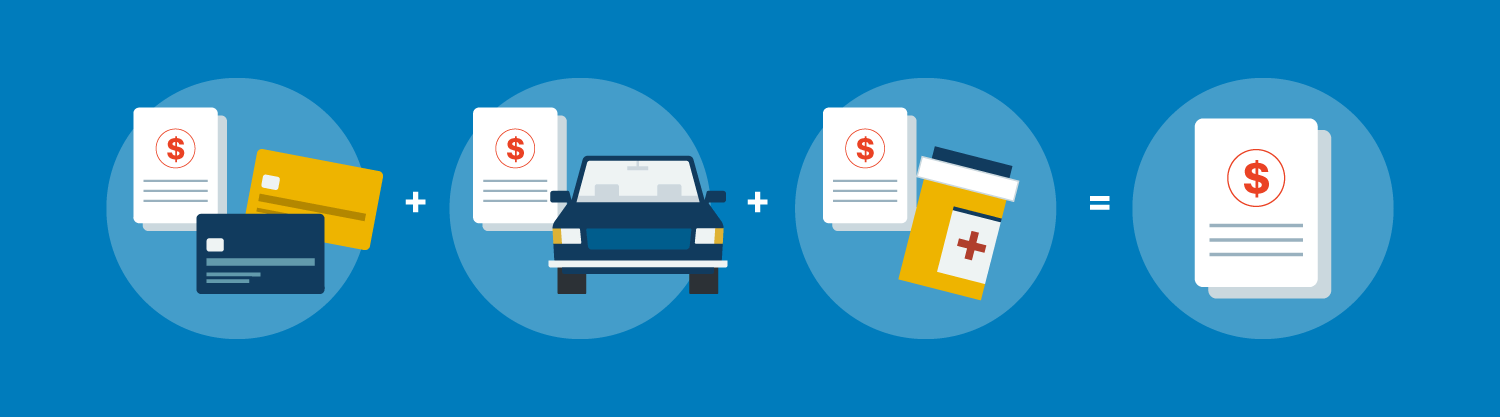
Applying for a personal loan may affects your credit score differently at each stage of the process: from the initial rate check through to full repayment. A personal loan can affect a credit score positively or negatively over time, depending upon several factors.

When you consider taking out a personal loan, there are two ways in which your rate can be structured. The choice affects not just your monthly payment, but the total cost of borrowing over the full term, particularly if your loan runs several years.
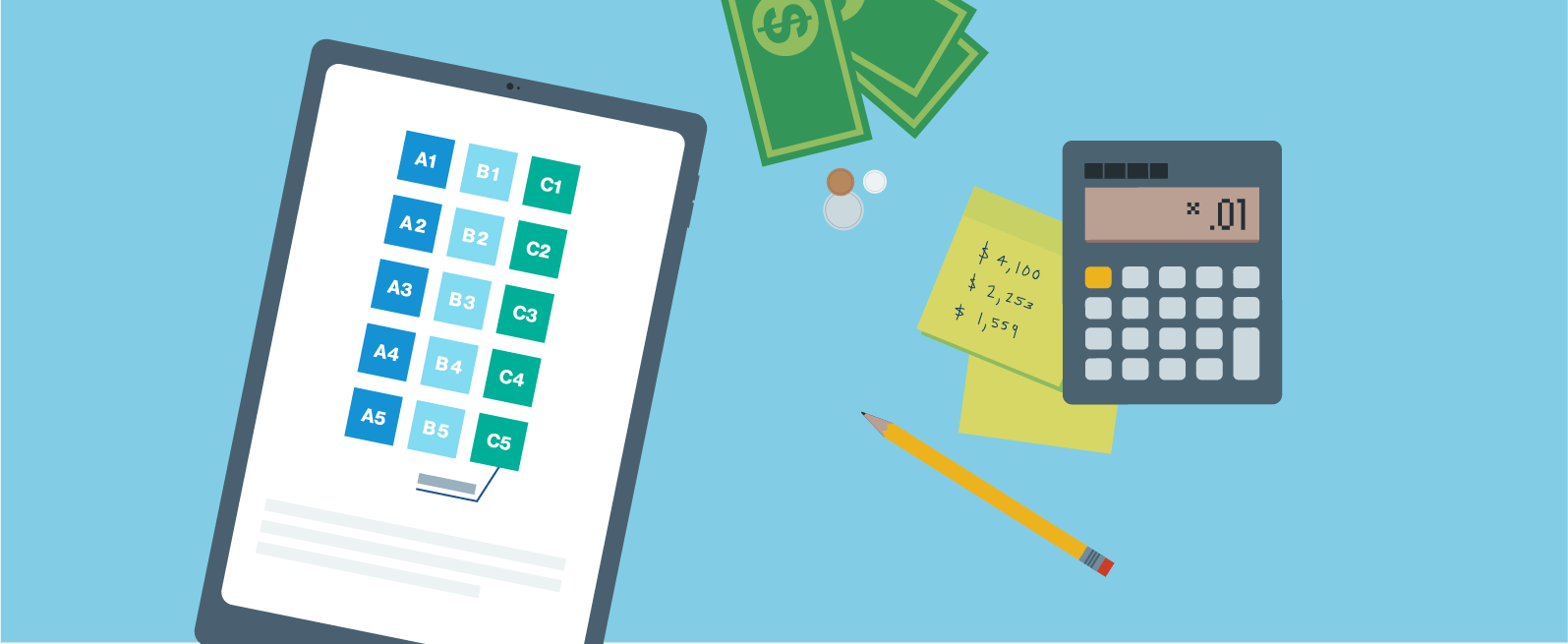
When people worry about debt consolidation hurting their credit, they’re usually thinking about how a loan application affects their credit score. What may negatively affect a credit score is a missed payment, a closed account that shortens your credit history, or new spending on the cards you just paid off.
Related Impact
Today, we are thrilled to announce the completion of our acquisition of Radius Bancorp, Inc. (“Radius”). In February 2020, we announced our intent to acquire Radius and shared how we can grow and deepen our customer relationships with a marketplace bank.

Today, we are thrilled to announce the completion of our acquisition of Radius Bancorp, Inc. (“Radius”). In February 2020, we announced our intent to acquire Radius and shared how we can grow and deepen our customer relationships with a marketplace bank.
Related FAQ's
You can view and manage most of your account information by signing in on the web or using the Happen Bank mobile app, including your password, phone number, physical address, loan documents, payment methods, and two-factor authentication settings.
Contact our team at 833-498-1399.
The Society for Worldwide Interbank Financial Telecommunication (SWIFT) Code is a unique identification code that may be required by some banks, broker-dealers, and investment managers for the completion of international wire transfers.
Personal Banking Customers: Our Elite and Reserve Tier customers can place a wire via Online banking or the Happen Bank Mobile app. For all other customers, they can reach out to Customer Service at 800.242.0272 to initiate a wire.
LevelUp Savings is a high-yield savings account that rewards you with a higher LevelUp Rate when you make deposits of at least $250 per statement cycle.
Related Glossary
{noun} A type of credit that allows the borrower to make charges and payments against a set borrowing limit, paying interest only on outstanding balances.
{noun} The amount of unpaid interest that has accumulated as of a specific date, either on a loan or an interest-bearing account or investment.
{noun} The total annual cost to borrow money, including fees, expressed as a percentage.
A debt that is written off as a loss because the financial institution or creditor believes it is no longer collectible due to a substantial period of nonpayment.
{noun} An interest rate that remains the same for a set time, usually for the life of the loan.