{noun} A prediction of your credit behavior, such as how likely you are to repay a loan on time, based on information from your credit reports.
Credit Score
January 29, 20234 min read
What is a Credit Score?
A credit score is a prediction of your credit behavior, such as how likely you are to repay a loan on time based on information from your credit reports. Credit scoring companies use a mathematical formula (called a scoring model) to create your three-digit credit score from your credit report data. Most credit scores range from 300-850. Also, because scoring models may differ across credit reporting companies, you can have more than one credit score. A higher score usually means it’s easier to qualify for a loan and may result in a better interest rate or loan terms.
How Do Credit Scores Work?
Credit reporting companies create scorecards, or models, to summarize information from credit reports (which detail your credit history) and determine which of these details are signs that could affect your ability to pay, or default, on new debts.
With a permissible purpose, businesses—including lenders, insurance companies, employers, and property managers or landlords—can request your credit report and credit score to help them decide whether to approve your application for credit, set interest rates, rent you a home, or offer you a job.
When a business or individual checks your credit score, your credit history is processed through a scoring model to calculate a three-digit score. Today, the most common scoring models are VantageScore® and FICO®. Because there are differences in how these two models score, it’s important to know that your score can differ depending on the model used.
Once an entity has your credit score in hand, they use it along with other factors—such as employment history and income—to determine if your application for credit is approved—and if so, at what terms.
Why Is Your Credit Score Important?
Since a large range of companies use credit scores to qualify you for services like credit, housing, utilities and insurance, your credit score can have a significant impact on your finances.
For example, a higher credit score shows companies that you have a track record of on-time payments and responsible debt management. As a result, businesses may consider you a lower risk for default. Therefore, you could qualify for lower interest rates when you borrow money and lower deposit requirements on services like utilities or housing.
On the other hand, a low credit score could indicate past financial difficulties, including missed or late payments. In this case, lenders may see you as a higher risk and potentially more likely to repeat that behavior in the future. This may result in you paying a higher interest rate when you borrow money and higher rates on insurance or utility deposits. In certain cases, you could have your application for credit denied or face challenges when searching for housing.
What Is a Good Credit Score?
What is considered a good credit score depends on the specific credit scoring model. Generally, lenders view FICO Scores of 670 and above and VantageScores of 661 and up as acceptable (lower-risk). Base ranges are subdivided into categories that reflect different levels of credit quality.
FICO Score Categories
Poor: <580
Fair: 580-669
Good: 670-739
Very Good: 740-799
Exceptional: 800+
VantageScore Categories
Superprime: 781-850
Prime: 661-780
Near Prime: 601-660
Subprime: 300-600
What Affects Your Credit Score?
Your credit score measures how you’ve used credit in the past and how you manage your current debt obligations. For example, if you've never used credit before, you won't have a credit score. Generally, you need to have at least one open, active credit account that's reported to the credit reporting companies to begin building a credit history and have a score.
Once you've established a credit history, there are five categories of information that impact your credit score:
Payment history takes into account whether you pay your bills on time and whether you have any significant delinquencies.
Amount of debt indicates how much debt you're carrying and how much of your available credit you're using.
Length of credit history measures how long you've had open credit accounts, including how long you've used specific types of credit, like revolving credit or a mortgage.
Recent credit inquiries indicate how many times you’ve applied for credit in the recent past.
Types of credit used gauges whether you have experience managing different types of credit accounts (e.g., credit card, auto loan, personal loan).
How Can You Improve Your Credit Score?
Improving your credit score requires careful review of the information found in your credit reports from the three major credit credit reporting companies (Equifax, Experian, and TransUnion).
Review your credit report for inaccuracies
such as incorrect account status, accounts listed twice, or inaccurate credit limits. Mistakes can be reported to the credit reporting company, and if found incorrect, can be corrected.
Stay current on your payments.
Bring any past due accounts up-to-date and continue making all payments on time every month.
Keep your credit balances to 30% or less of your available credit.
For example, high credit card balances can indicate you might be considered a higher credit risk.
Avoid multiple applications for new credit.
Applying for too much new credit (hard credit inquiries) in a short period of time could be seen as a sign you’re trying to take on more debt than you can reasonably manage. Opening new credit lowers the average age of your total accounts, which lowers your "length of credit history" and may impact your credit score. Also, once new credit is used, unless it is debt consolidation, it will likely increase the "amount of debt" factor and may also decrease your score.
Maintain a diverse mix of credit accounts.
Why Does a Credit Score Drop?
Your credit score could decrease if you miss payments, have multiple hard credit inquiries in a short period of time, have higher credit card balances, or if an old account in good standing falls off your credit report.
Reviewing your credit report can help you determine why your credit score decreased. Once you know why, you can take action as needed. Sometimes, there may be nothing that needs to be done and your credit score may simply need time to improve. Generally, remember that making payments on time and staying well below your credit card limits can help you get and keep good credit scores.
You May Also Like
Related Articles
With direct creditor payment, funds from your debt consolidation loan are disbursed to your outstanding accounts rather than being deposited into your bank. Some lenders offer an APR discount for borrowers who choose this feature. Here are five lenders that offer direct pay options.

Debt consolidation combines multiple high-APR debts into a single payment—ideally at a lower APR, with a defined end date. It can help save money and simplify your finances, but whether it makes sense depends on your credit profile, the APR you can qualify for, and your ability to avoid new debt after consolidation.
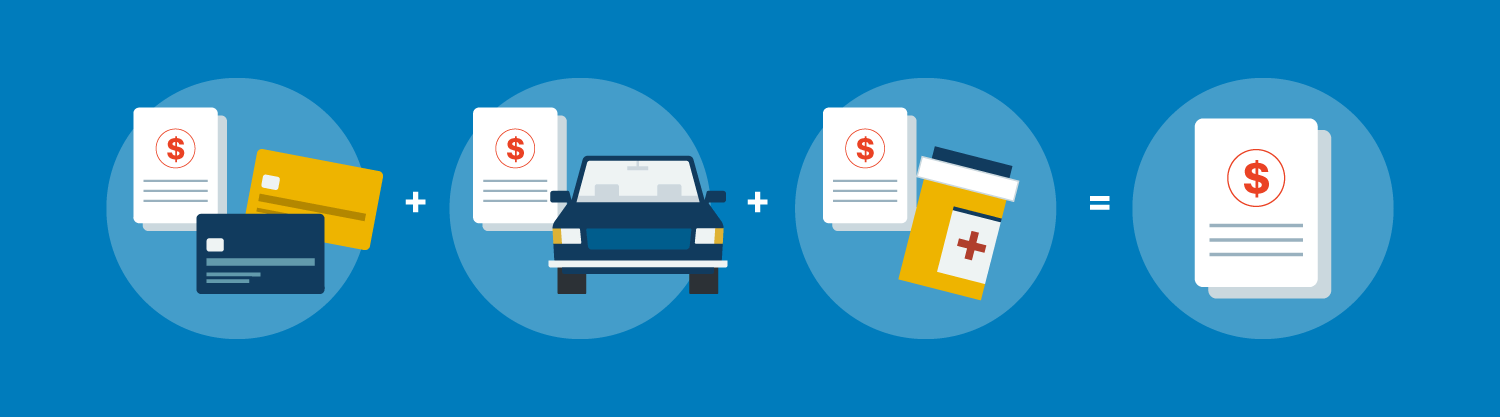
Debt consolidation replaces multiple high annual percentage rate (APR) balances with one fixed-APR personal loan. Before applying, knowing exactly what is owed, verifying that it actually saves money, checking your credit score, gathering documents, and checking your rate to see the actual APR before committing are important steps. This guide walks through each step in order.
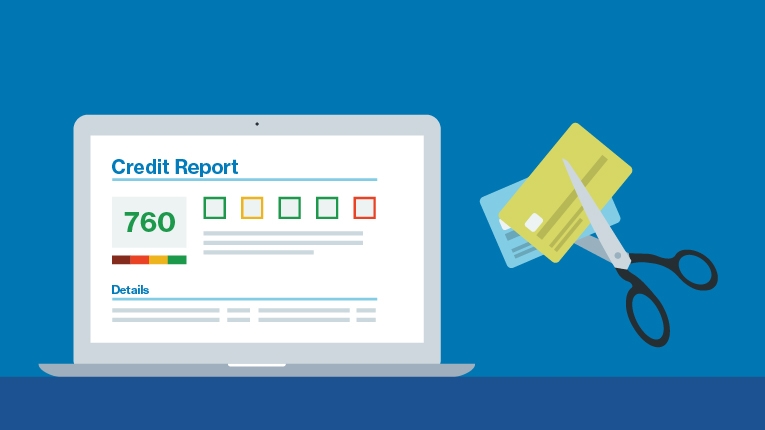
Applying for a personal loan may affects your credit score differently at each stage of the process: from the initial rate check through to full repayment. A personal loan can affect a credit score positively or negatively over time, depending upon several factors.

When you consider taking out a personal loan, there are two ways in which your rate can be structured. The choice affects not just your monthly payment, but the total cost of borrowing over the full term, particularly if your loan runs several years.
Related Impact
Today, we are thrilled to announce the completion of our acquisition of Radius Bancorp, Inc. (“Radius”). In February 2020, we announced our intent to acquire Radius and shared how we can grow and deepen our customer relationships with a marketplace bank.

Today, we are thrilled to announce the completion of our acquisition of Radius Bancorp, Inc. (“Radius”). In February 2020, we announced our intent to acquire Radius and shared how we can grow and deepen our customer relationships with a marketplace bank.
Related FAQ's
You can view and manage most of your account information by signing in on the web or using the Happen Bank mobile app, including your password, phone number, physical address, loan documents, payment methods, and two-factor authentication settings.
Contact our team at 833-498-1399.
The Society for Worldwide Interbank Financial Telecommunication (SWIFT) Code is a unique identification code that may be required by some banks, broker-dealers, and investment managers for the completion of international wire transfers.
Personal Banking Customers: Our Elite and Reserve Tier customers can place a wire via Online banking or the Happen Bank Mobile app. For all other customers, they can reach out to Customer Service at 800.242.0272 to initiate a wire.
LevelUp Savings is a high-yield savings account that rewards you with a higher LevelUp Rate when you make deposits of at least $250 per statement cycle.
Related Glossary
{noun} A type of credit that allows the borrower to make charges and payments against a set borrowing limit, paying interest only on outstanding balances.
{noun} The total annual cost to borrow money, including fees, expressed as a percentage.
{noun} The amount of unpaid interest that has accumulated as of a specific date, either on a loan or an interest-bearing account or investment.
A debt that is written off as a loss because the financial institution or creditor believes it is no longer collectible due to a substantial period of nonpayment.
{noun} An interest rate that remains the same for a set time, usually for the life of the loan.