{noun} A loan used to pay off one or more debt accounts, usually to change interest costs, monthly payment, and/or payment term.
Consolidation Loan
January 29, 20234 min read
What Is a Consolidation Loan?
Also known as a debt consolidation loan, a consolidation loan refinances various debts and rolls them into one loan with one monthly payment. Consolidation loans are frequently used to pay off multiple high-interest debts, like credit card bills or other loan payments, using a single installment loan that may have a lower interest rate, more affordable payment, or a longer repayment term. While a consolidation loan can help simplify or lower payments, it does not erase your debt, and you could end up paying more over time.
How Does a Consolidation Loan Work?
You typically apply for a consolidation loan in an amount equal to the debt you want to consolidate and have a fixed annual percentage rate (APR) and monthly payment which will remain constant throughout your loan term.
To pay off your consolidated debts, typically your lender will take offer one of two approaches. They could either send you a lump sum which you would use to pay each creditor, or they could directly pay your creditors on your behalf.
Once your consolidation loan term begins, you’ll make your monthly payments until the loan balance is paid in full.
How Can a Consolidation Loan Benefit You?
A consolidation loan can offer many benefits:
Simplicity: You’ll have one monthly payment instead of multiple bills and statements from different creditors with different due dates.
Savings: Ideally you would want to secure a consolidation loan offering a lower interest rate than the debts you want to consolidate, saving you interest on the cost of borrowing over time. You might also be able to lower your overall monthly debt payment, which could benefit your budget.
Stability: Consolidation loans generally feature fixed interest rates, so your monthly payments remain the same. Credit cards have variable interest rates, so your card’s APR could increase if interest rates go up.
What Are the Different Types of Consolidation Loans?
Almost any loan used to consolidate debt can be considered a consolidation loan. Some loans often used to consolidate debt include:
Personal loans, whichare fixed-rate installment loans you can use for almost any purpose. They usually have lower interest rates than credit cards and higher rates than home equity loans.
Home equity loans, which are fixed-rate installment loans that let homeowners borrow a certain percentage of their home’s equity. Rates on home equity loans are typically lower than personal loans since they’re secured with your home as collateral.
What Are the Risks of Consolidation Loans?
While you might achieve a lower payment or interest rate, consolidation loans aren’t without their risks.
Increasing your borrowing cost: If you accept a “teaser” rate that goes up after a certain time or you agree to terms that only lower you monthly payment, you could end up paying more in interest over a longer period of time.
Continuing the debt cycle. Getting a consolidation loan to pay off credit cards will only work if you adjust your spending habits and avoid accumulating more debt on those cards.
Additional expenses. Consolidation loans may involve fees or closing costs in addition to interest charges.
Hurting your credit score. Applying for a loan creates a hard inquiry on your credit report, which may cause a temporary dip in your credit score. Failing to pay back the loan as agreed can damage your credit history and negatively impact your credit score.
Loss of collateral. Using a home equity loan for debt consolidation could put your home in jeopardy if you can’t repay the debt.
How Can I Get a Consolidation Loan?
You can get consolidation loans from banks, credit unions, and online lenders. To prepare to apply for a consolidation loan:
Review your debt.
Add up the debt you want to consolidate and note the interest rates and repayment terms so you can compare them to your consolidation loan options.
Check your credit.
Lenders generally offer the best terms to borrowers with good to excellent credit (usually this means a FICO score of 670 or higher). You can check your credit score using various personal finance websites, credit card companies, or online apps. Some banks even have features that track your credit score.
Compare offers and apply for a loan.
Before applying for a consolidation loan, be sure to review offers from multiple lenders. Many lenders offer preapprovals using a soft credit check that doesn’t impact your credit score. Next, compare rates and apply for the consolidation loan that best fits your needs.
Make on-time payments.
Once you receive your consolidation loan, keep making payments on your other debts until you confirm they’re paid off. Then, you can set up automatic payments on your consolidation loan to ensure it’s paid on time every month.
Does a Debt Consolidation Loan Hurt Your Credit Score?
Consolidation loans won’t negatively impact your credit score if you maintain a history of on-time payments. Adding a consolidation loan to your credit history can potentially boost your score by adding a new account type to your credit mix, which accounts for 10% of your credit score.
Is it Difficult to Get a Consolidation Loan?
It depends. If you have good credit, it might be easier to get approved for a consolidation loan with better interest rates and terms than your current debts. However, those with a history of late payments or a lower credit score could have more difficulty with the approval process and may not receive the best rates or terms.
If you’re not approved for favorable rates and terms, consider taking time to improve your credit history. Bring late accounts current, make your payments on time, avoid accumulating more debt, and pay down some of the debts you want to consolidate. You might find that a few months’ of diligently working toward improve your credit picture may improve your odds for loan approval.
You May Also Like
Related Articles
Debt consolidation replaces multiple high annual percentage rate (APR) balances with one fixed-APR personal loan. Before applying, knowing exactly what is owed, verifying that it actually saves money, checking your credit score, gathering documents, and checking your rate to see the actual APR before committing are important steps. This guide walks through each step in order.
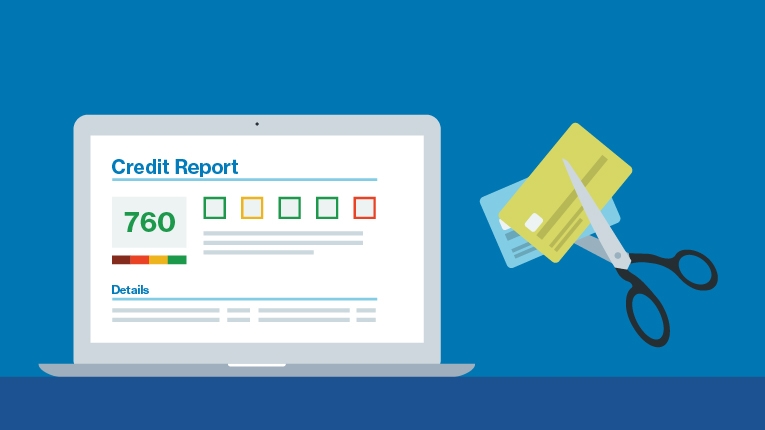
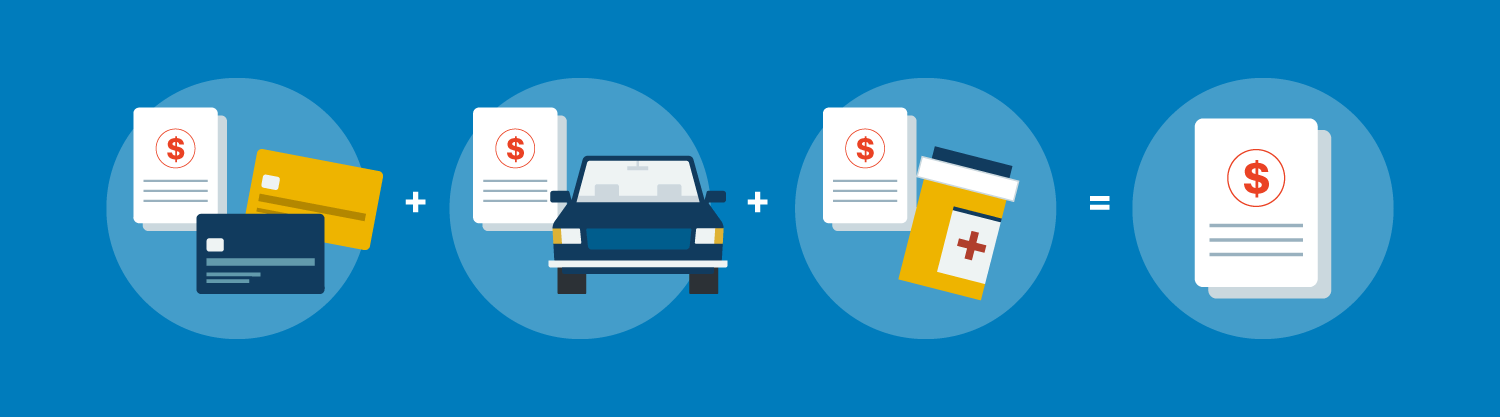
Debt consolidation combines multiple high-APR debts into a single payment—ideally at a lower APR, with a defined end date. It can help save money and simplify your finances, but whether it makes sense depends on your credit profile, the APR you can qualify for, and your ability to avoid new debt after consolidation.
Applying for a personal loan may affects your credit score differently at each stage of the process: from the initial rate check through to full repayment. A personal loan can affect a credit score positively or negatively over time, depending upon several factors.

When you consider taking out a personal loan, there are two ways in which your rate can be structured. The choice affects not just your monthly payment, but the total cost of borrowing over the full term, particularly if your loan runs several years.
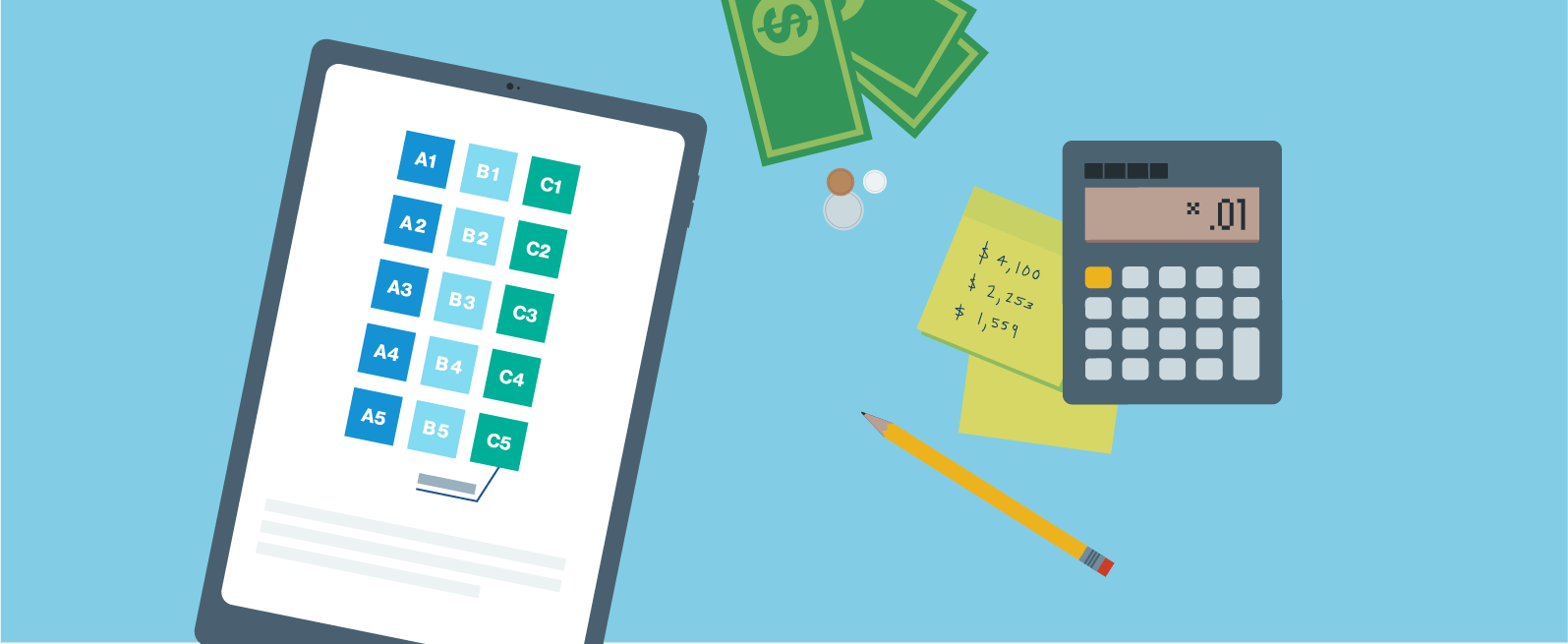
When people worry about debt consolidation hurting their credit, they’re usually thinking about how a loan application affects their credit score. What may negatively affect a credit score is a missed payment, a closed account that shortens your credit history, or new spending on the cards you just paid off.
Related Impact
Today, we are thrilled to announce the completion of our acquisition of Radius Bancorp, Inc. (“Radius”). In February 2020, we announced our intent to acquire Radius and shared how we can grow and deepen our customer relationships with a marketplace bank.

Today, we are thrilled to announce the completion of our acquisition of Radius Bancorp, Inc. (“Radius”). In February 2020, we announced our intent to acquire Radius and shared how we can grow and deepen our customer relationships with a marketplace bank.
Related FAQ's
You can view and manage most of your account information by signing in on the web or using the Happen Bank mobile app, including your password, phone number, physical address, loan documents, payment methods, and two-factor authentication settings.
Contact our team at 833-498-1399.
The Society for Worldwide Interbank Financial Telecommunication (SWIFT) Code is a unique identification code that may be required by some banks, broker-dealers, and investment managers for the completion of international wire transfers.
Personal Banking Customers: Our Elite and Reserve Tier customers can place a wire via Online banking or the Happen Bank Mobile app. For all other customers, they can reach out to Customer Service at 800.242.0272 to initiate a wire.
LevelUp Savings is a high-yield savings account that rewards you with a higher LevelUp Rate when you make deposits of at least $250 per statement cycle.
Related Glossary
{noun} A type of credit that allows the borrower to make charges and payments against a set borrowing limit, paying interest only on outstanding balances.
{noun} The amount of unpaid interest that has accumulated as of a specific date, either on a loan or an interest-bearing account or investment.
{noun} The total annual cost to borrow money, including fees, expressed as a percentage.
A debt that is written off as a loss because the financial institution or creditor believes it is no longer collectible due to a substantial period of nonpayment.
{noun} An interest rate that remains the same for a set time, usually for the life of the loan.