Does debt consolidation hurt your credit score?
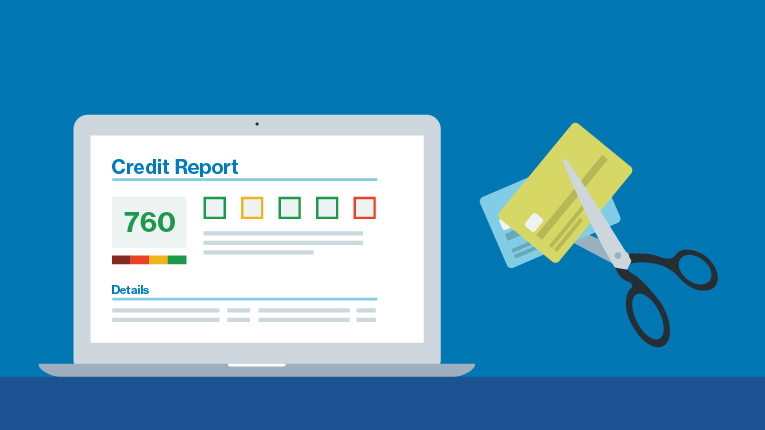
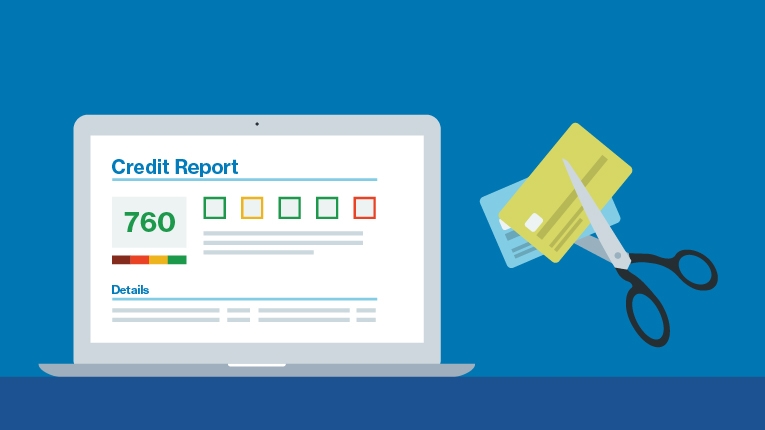
Consolidating debt often helps your credit—at least over the long term. A lower interest rate and a single fixed monthly payment make it easier to pay down debt, and lower credit card balances and on-time loan payments often help raise your score.
Debt consolidation isn’t foolproof, however, and could potentially hurt your score. Your credit might dip temporarily after debt consolidation, and you’ll have to avoid running up new credit card balances. Before deciding to consolidate debt, it’s important to consider how it affects your credit scores.[1]
What is debt consolidation and how does it work?
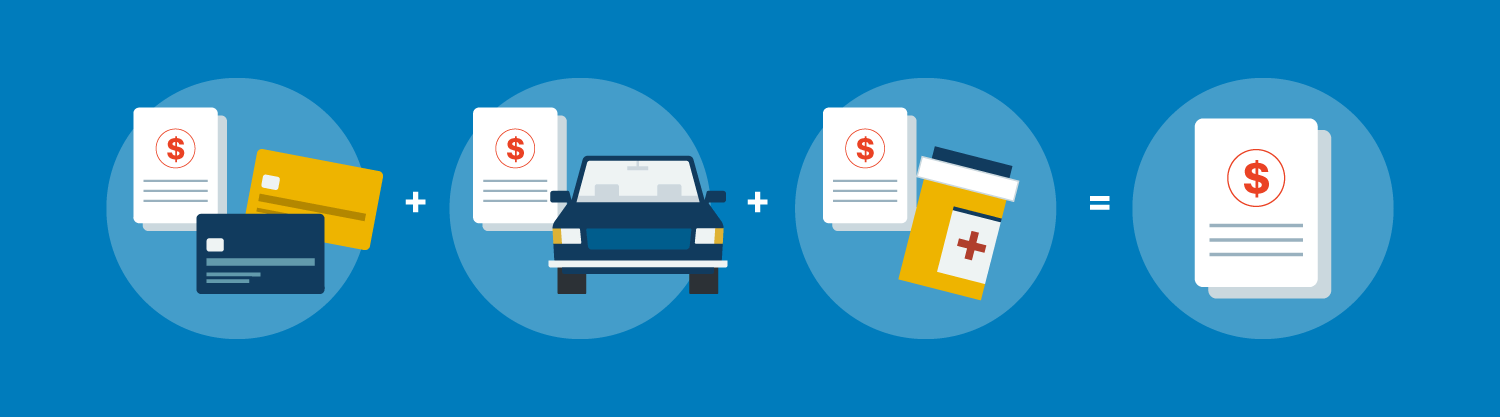
Debt consolidation is a debt management strategy used to refinance multiple debts into an easy-to-manage single monthly payment—ideally with a lower interest rate. Many people consider debt management when they’re financially overwhelmed or their credit situation has improved, making them eligible for lower interest rates. Common ways to consolidate debt include a debt consolidation loan or a 0% APR balance transfer credit card.[1]
Consolidating debt works a bit differently, depending on which method you choose. For instance, by using a personal loan to pay down your higher-interest loans and credit card balances, you replace several monthly bills with one. While the loan may take a few years to pay off, you’ll often save over time thanks to a lower monthly payment and interest rate.[1]
How does consolidating debt affect your credit score?
Debt consolidation is generally helpful for your credit score, but it does have the potential to affect your score negatively. Let’s take a closer look at how debt consolidation can help or hurt your credit.
Ways debt consolidation can help your credit score Debt consolidation primarily helps your credit by making your debt easier to pay down. It’s often easier to make a single loan or credit card payment. Your new monthly payment may also be reduced, thanks to a lower, fixed interest rate.[1]
Here’s how debt consolidation can help your credit score in the long run.
May help your payment history: Your payment history accounts for 35% of your credit score, making it the most important factor. Consolidating debt doesn’t guarantee you’ll make your debt consolidation loan or balance transfer credit card payment on time. However, it may decrease your chances of overlooking a payment or forgetting to set aside enough money to pay it.[2]
Improves credit utilization: Credit utilization is the percentage of credit you’re using out of your available revolving credit, and it’s the second biggest factor in credit scoring. A credit utilization ratio of more than 30% can hurt your credit scores, while a ratio below 10% is ideal for score improvement. When you use a debt consolidation loan to pay off high-interest credit cards, the credit utilization on your credit cards drops to zero.[2]
Diversifies your credit mix: Having a mix of credit accounts—such as credit cards, home loans and auto loans—tends to benefit your credit score. That’s because having a range of credit products shows you know how to manage different types of accounts. Adding an installment loan could help diversify your credit mix and give your credit score a small lift.[2]
Ways debt consolidation can hurt your credit score
For all its potential positives, debt consolidation can also hurt your credit score, especially when you first get a loan or new 0% APR balance transfer credit card. However, these effects are typically minor and are often offset over time by a positive payment history, improved credit utilization, and diversified credit mix.
Here’s how debt consolidation can negatively affect your credit.
Adds a hard credit inquiry: During the loan (or credit card) application process, the lender typically checks your credit report, a process known as a “hard pull” or “hard inquiry.” Hard inquiries appear on your credit reports and can cause a minor drop in credit score.[3]
Decreases average age of accounts: The average age of your credit and loan accounts is a measure of how long you’ve been managing debt. Long-standing accounts have a positive effect on your credit score. When you get a new loan or credit card, the average age of your accounts goes down, which can cause a dip in your credit score.[2]
Doesn’t address money management issues: If you have a history of paying your bills late, you might continue to miss payments after debt consolidation. It can also be tempting to rack up purchases on your newly freed-up credit cards, which could add to your total debt and hurt your credit score.[1]
Different ways to consolidate your debt
You have multiple options for consolidation, depending on the types of debt you have and which assets you can access. Here are some of the most common ways to consolidate debt.
1. Use a debt consolidation personal loan
Unsecured personal loans are fixed-rate installment loans and one of the most popular options for consolidating debt. Because a debt consolidation loan is unsecured, you won’t risk losing property when taking out the loan. Additionally, you may be able to qualify for a low interest rate based on your credit and financial situation.[1]
Personal loans are also flexible in that you can use the money for almost anything. If you have several types of debt, such as medical bills and credit cards, you can consolidate them all into your new personal loan. However, there are some debts, such as student loans, that cannot be consolidated with a personal loan.[5]
2. Look into credit card balance transfer offers
Credit card balance transfers let you transfer debt from one credit card to another. Finding a low introductory rate or 0% APR balance transfer credit card offer may save you money on interest during the promotional period. Keep in mind, you may have to pay balance transfer fees, and the high card balance could impact your credit scores. If you don’t pay off the balance before the promotional period ends, you may wind up paying more interest in the long run.[4]
How to consolidate debt without hurting your credit score
Consolidating your debt can impact your credit score, but as long you manage your debt responsibly, any negative effects will be temporary. You can minimize negative effects on your score by following these tips.
Check your credit before you shop. Better loan rates and terms are generally available to individuals with higher credit scores. Knowing your credit score and what’s in your credit reports can help you compare rates on loans (or 0% APR balance transfer cards) that fit your credit profile.[1]
Limit hard credit inquiries by using pre-qualifications. Many lenders, like Happen Bank, formerly LendingClub, can pre-qualify you for a loan without doing a “hard” credit pull that affects your credit score. Pre-qualifications give lenders a quick read on your credit and financials so they can quote loan rates and terms more accurately. Once you decide on a loan option, your lender will do a hard credit pull to approve your loan.[3]
Think carefully about payment amount and terms. Consider your monthly payments and loan term. Will you be able to meet your monthly payments on time every month? Will you be able to pay off a 0% APR balance transfer card before the introductory period ends? Before you sign on to a new loan or transfer your balances, make sure you can swing payments and terms.[1]
Avoid running up new debt. Once you’re paying down your debt using a debt consolidation loan or other method, try to avoid building up new balances on your credit cards. You may find yourself with multiple monthly bills and high credit utilization again.[1]
The bottom line
Debt consolidation can help you simplify multiple debts, save you money on interest, and even help keep your credit on track—especially if you’re overwhelmed with high-interest credit card balances, multiple loans, medical bills, or other debt. Having fewer bills and a solid plan for paying down debt won’t affect your credit directly. However, using debt consolidation often improves your credit as long as you avoid pitfalls that can lead to credit problems like missed payments.[1]
Consumer Financial Protection Bureau. “What do I need to know about consolidating my credit card debt?”
myFICO. “What's in my FICO Scores?”
Experian. “What’s the Difference Between a Hard and Soft Inquiry?”
Consumer Financial Protection Bureau. “How long can I keep a low rate on a balance transfer or other introductory rate?”
Consumer Financial Protection Bureau. “What is a personal installment loan?”
You May Also Like