Hard credit inquiry vs soft credit inquiry: What they are & how they differ

Key Takeaways:
A soft credit inquiry is a request for a review of your credit file and score for any purpose other than issuing credit.
A hard credit inquiry is typically initiated by potential landlords and lenders to evaluate whether you’ll be able to meet your current and future financial obligations.
Soft credit pulls won’t impact your credit scores, however you may see your credit score temporarily dip by a few points with a hard credit check.
Soft and hard credit inquiries are recorded in your credit files where they can remain for up to two years. Hard pulls may only affect your credit score for one year.
When a company or individual sends a request to one of the national credit reporting agencies (Equifax, Experian, or TransUnion) to look at your credit file, it’s known as a credit inquiry, or credit check. Credit checks generally fall into one of two types: soft inquiries and hard inquiries.
Here are the ways soft credit inquiries and hard credit inquiries are used, how they’re different, and how they impact your credit score.
What’s the difference between a soft vs. hard credit check?
Generally, a soft credit inquiry is a request for a review of your credit file, including a review of existing accounts and your own requests to see your annual credit report. A soft credit check is a request for your credit report or credit score for any purpose other than issuing credit. These will not impact or change your credit scores.
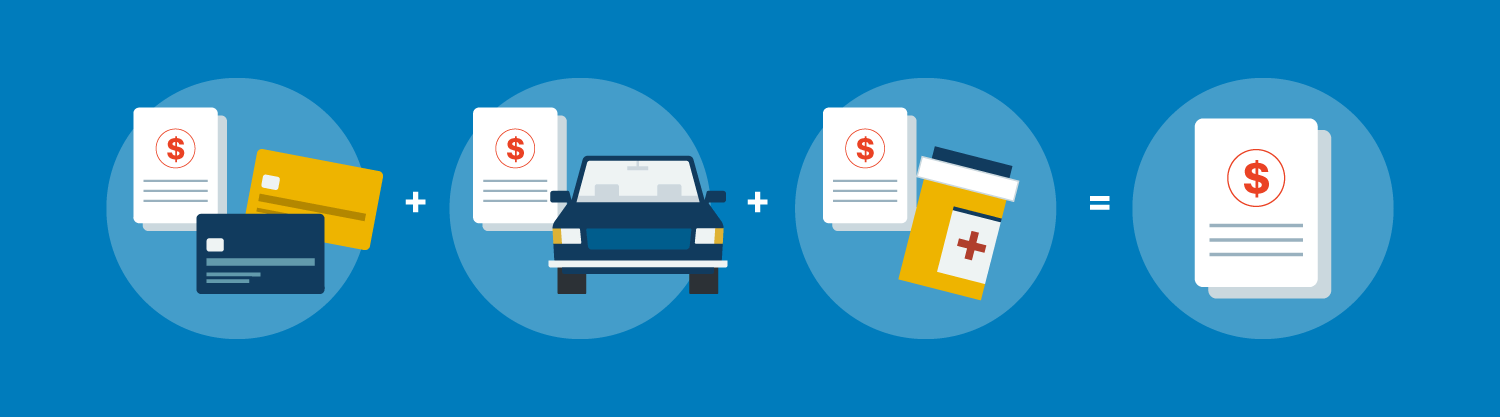
A credit check is considered a hard inquiry if it is used in a decision about issuing you a loan, credit card, or financing on goods (such as a car or cell phone) or services. Typically, hard inquiries are initiated by lenders after you apply for credit. A hard inquiry can also occur if you’re renting something of significant monetary value (such as an apartment or car) from a company, for example, to determine a security deposit amount for an apartment you want to rent. Generally, hard inquiries are used to evaluate whether you’ll be able to meet your current and potential future financial obligations.
Soft and hard credit inquiries are recorded in your credit files, where they can remain for up to two years. Each credit bureau records only inquiries it has received, so you may see differences in the inquiry listings on reports from different bureaus. For instance, if you apply for a car loan and the potential lender only checks your Equifax credit report, you’ll see that inquiry on your Equifax credit report, and not on your Experian or TransUnion reports.
How Do Credit Inquiries Impact Your Credit Score?
Soft credit pulls won’t impact your credit scores, however hard pulls can. Typically, you may see your credit score temporarily dip by a few points after a lender or credit card issuer does a hard credit check. Hard credit inquiries may stay on your credit report for up to two years, however, they may only affect your score for one year.
Why does a hard credit inquiry hurt your credit score?
Statistics show that taking on new debt makes a borrower more likely to be unable to pay their existing bills. When you apply for new credit, credit scoring models such as FICO® Score and VantageScore® typically will recalculate your scores by a few points. If you continue paying your bills on time, your scores can typically bounce back within a few months. Hard credit pulls account for 10% of your overall FICO® Score and 5% and 11% of your VantageScore® 3.0 and 4.0 scores, respectively.
While hard inquiries can impact your score, other factors carry more weight with some of the popular credit scoring models. Both the FICO® Score and VantageScore® models rank payment history as one of the most important factors in determining credit scores. Other factors weighted more heavily than hard inquiries include how much you owe and the length of your credit history.
Examples of soft credit checks
Here are some examples of when a new soft inquiry may show up on your credit reports.
1. Checking your rate with a potential lender
Many lenders let you check your rate online before you apply. This soft “rate check” can give you a fairly good idea of whether you would qualify for a loan and the potential interest rate and other loan terms you’d potentially receive, without impacting your credit score.
2. Prescreened offers
The national credit bureaus provide prescreening and marketing services to a variety of companies such as financial institutions, credit card issuers, and insurance companies. These companies may use credit report data or credit scores to target potential new customers with specific product offers.
If you receive a prescreened offer of credit or insurance, you’ll likely see a soft credit check on one of your credit reports.
3. Checking your own credit report
Using a credit monitoring service or requesting a copy of one of your own credit reports is a soft inquiry. This is why checking your own credit does not hurt your credit score.
4. Current creditors checking your credit
Creditors also regularly check current customers’ credit reports to monitor their creditworthiness and manage their accounts. For example, your credit card issuer might decide to increase your card’s credit limit if you have a good payment history. Alternatively, the issuer can lower your credit limit if a major drop in credit score suggests you have problems managing your debts.
5. Prospective or current employers checking your credit
Current and potential employers may also check your credit reports as part of a background check, but they need to have your written permission first. Credit reports issued to employers omit certain information, such as date of birth. Some states limit or ban the use of credit checks for employment purposes.
Examples of hard credit checks
As mentioned, hard credit checks typically happen when you apply for loans or credit lines, however, you may be subject to a hard credit inquiry in the following situations.
1. Applying for a loan
Lenders typically conduct a hard credit check if you formally apply for a mortgage, auto loan, student loan, or personal loan. They review your credit to help determine if you're a lending risk and how likely you are to make your monthly payments.
2. Applying for a credit card
A credit card issuer will also do a hard credit pull when you apply for a new credit card. As with lenders, they do this to determine if you’re likely to make your monthly payments on time.
3. Applying for a rental, phone, or utilities (sometimes)
You’ll often undergo a credit check when you apply to rent a home or apartment, open a new phone plan, or start a utility or telecom service. These credit checks are typically soft inquiries. However, it’s important to ask the provider, as sometimes it will be a hard inquiry.
4. Unauthorized inquiries
Hard inquiries require your permission (which is included in a loan or credit application and more explicitly in employment or rental screenings). If a hard inquiry is run without your permission, it may mean someone has used your personal credentials to apply for credit in your name, for purposes of credit fraud or identity theft. If you believe someone has or is trying to steal your identity, immediately contact the credit reporting companies (Experian, Equifax, TransUnion) and report it to the FTC.
ProTip: Inquiry entries on credit reports will sometimes list company names or abbreviations that are not immediately recognizable, which can make legitimate inquiries appear unfamiliar. So before assuming something criminal is happening, verify using the contact information included in the inquiry entry on your credit report.
3 ways to reduce the impact of hard inquiries
If you’re concerned about hard inquiries damaging your credit score, there are a few ways to reduce their impact. Here are some strategies that could help.
1. Check your rate before applying.
Many lenders let you see if you might be eligible for a loan by checking your rates with a soft credit check before you submit, or complete, a formal application. Checking your rate before you apply helps you shop lenders without it impacting your credit scores. Also keep in mind that checking your rate isn’t a guarantee you’ll be approved, but it can help you avoid submitting loan applications that may not work for you.
2. Be strategic about applications.
When you’re ready to apply for a loan, shopping around by checking your interest rate online can help you find the best rate you can qualify for among a sea of lenders. Fortunately, popular credit scoring models account for rate shopping, as it’s a common and smart strategy for consumers. If you rate shop within a specific timeframe, usually 14-45 days depending on the scoring model, multiple hard inquiries may only count as one.
3. Focus on improving your credit.
A hard credit check might impact your credit scores, but it’s a minor scoring factor. Focusing on major factors, such as building a long history of on-time payments and only using a small portion of your available revolving credit balances could help improve your overall credit. Once you have a good or excellent credit score, a small and temporary drop might not matter as much.
The bottom line
Both soft and hard credit inquiries may appear on your credit report, but these reviews of your credit are typically done for different reasons. For example, if you check your rate for a personal loan, for instance, the lender typically does a soft credit check. However, you’ll be subject to a hard credit check when you formally apply by completing your application.
Another key difference between soft vs. hard credit checks: while soft inquiries won’t impact your credit scores, hard inquiries can hurt your scores slightly. Fortunately, any decreases to your scores are temporary and may only impact your scores for up to a year or less.
Soft vs. hard credit check FAQs
Will checking my own credit score result in a hard credit check?
Checking your own credit scores will not result in a hard credit check. But it’s important to note that your credit scores do not generally appear on your credit reports. Instead, you may be able to view your credit score for free through your credit card issuer, bank, or a third-party credit scoring service. You can also purchase a report that lets you see your credit score through one of the national credit reporting agencies.
Will a soft credit check affect my credit score?
A soft inquiry has no impact on your credit score. If you formally apply for a loan or credit line, your creditor will do a hard credit check, which may cause a temporary, small drop (a couple of points) in one or more of your credit scores.
What does a hard credit inquiry show?
A hard credit check or hard inquiry is a record of when an organization checked one of your credit reports to assess your credit behavior in response to an application for a loan, credit card, auto financing, or lease. A hard inquiry can stay in your credit history for two years, even if you don’t take out a new credit line or loan.
You May Also Like