5 smart ways to use your bonus money

Using your annual bonus money to reduce debt, save more into an emergency fund, or maximize retirement contributions can improve your financial outlook and sense of financial security. Any bonus money you receive throughout the year creates an excellent opportunity to make headway on your personal and financial goals.
5 financially smart ways to save or spend your bonus
Depending on your bonus amount, you may want to allocate bonus dollars in more than one way and across multiple accounts. To make the most of any cash windfall, consider these five financially smart ways to know what to do with your bonus money.
1. Pay down revolving, high-interest debt.
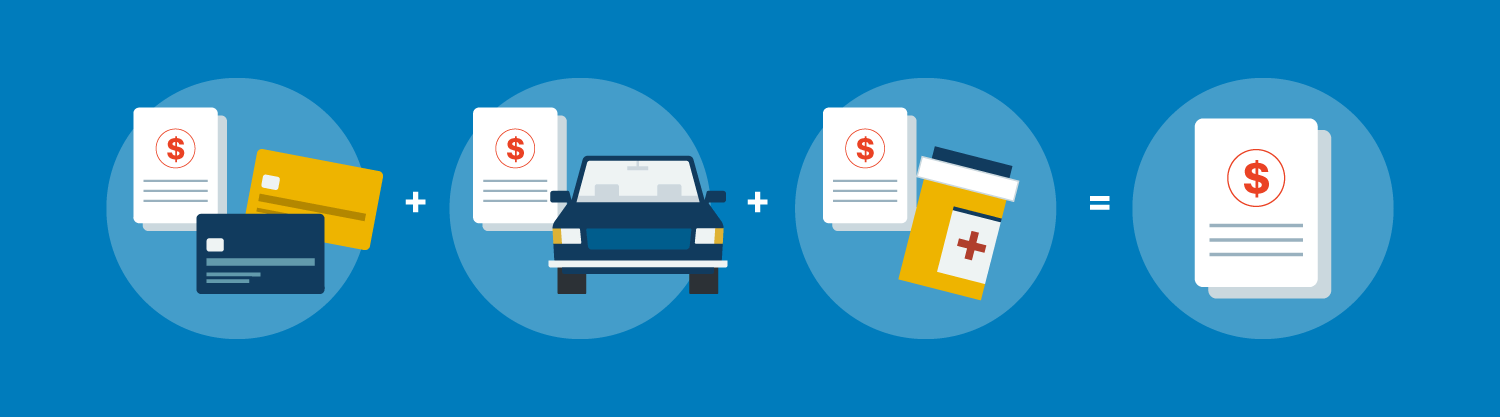
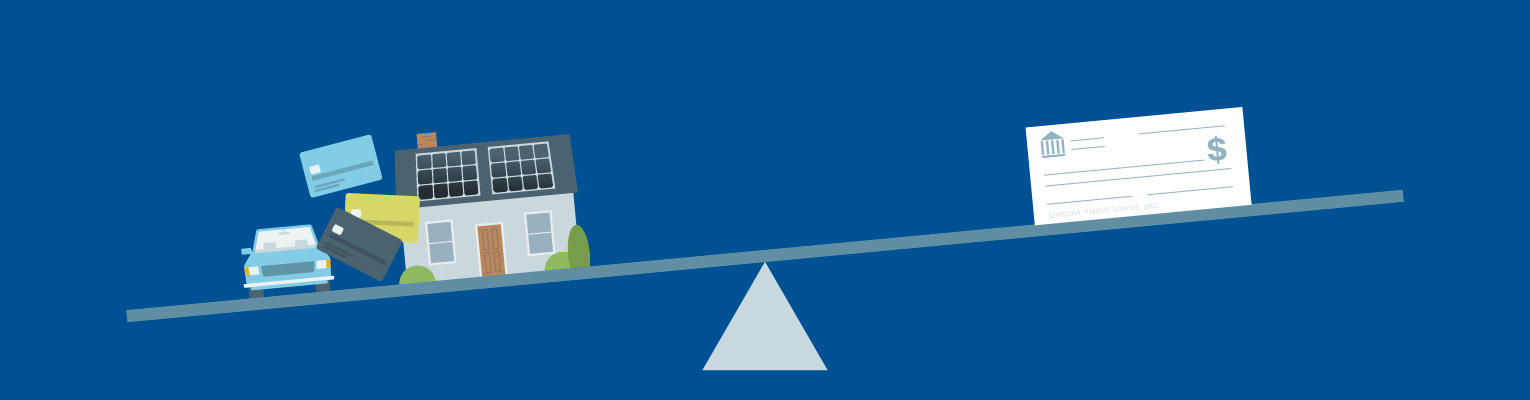
If your credit card balances ballooned over the past year, using bonus money to pay down revolving, high-interest debt more quickly can save you on the cost of borrowing over time and improve your credit outlook.
Revolving credit is expensive.Paying down a high interest rate credit card balance generally saves you more money than you’d make by putting the same money into a high-yield savings account. (However, if you need the money to start or build your emergency savings account, that should be weighed into your consideration.)
Reducing your credit utilization may help your credit score.Using more than a small portion of your available credit can hurt your credit score. Putting your bonus money to pay down or pay off revolving debt could lower your credit utilization ratio—the percentage of your credit limit in use—and possibly help maintain, or improve, your credit score.
You may lower your monthly expenses by reducing or eliminating your credit card bill.
If using your bonus money puts only a small dent in your credit card debt, you might consider getting a personal loan to consolidate your debt. By rolling the remainder of your high-interest credit card balances into a single installment loan, you’ll not only have a fixed payoff date, you may be able to lower your cost of borrowing, reduce your monthly payments, or both.
2. Grow your emergency fund.
Having at least three to six months’ worth of living expenses tucked away into a high-yield savings account is another smart way to use your bonus money. You may want to accumulate even more if you’re concerned about a possible layoff or other large financial setback. And if you’ve already had to dip into your emergency savings over the past few months or years, using your bonus money to build your emergency savings account back up makes good
financial sense.
3. Reach specific savings goals more quickly.
Holding enough in savings is one of the most important ways to recession-proof your finances.Consider using your bonus money in any of the following ways to reach certain savings goals faster and give yourself a better hedge against inflation, unemployment, or a planned financial need:
Large expenses: Is there a home repair or other major improvement you’re planning? By setting aside some of your bonus money now, you won’t need to rely on high-interest credit cards or pull from your emergency account when the time comes.
Education: A 529 plan is a flexible, tax-advantaged investment account that helps you save for K-12, graduate school, and apprenticeship educational program expenses for yourself, your child, or a qualified dependent. Even your friends and family can contribute to a 529 plan that you set up. Check with your tax or financial advisor to know if a 529 plan could work for you.
4. Maximize your retirement contributions.
If you’re not already maximizing contributions to your 401(k) or an individual retirement plan such as a traditional or Roth IRA, consider using your bonus money to get you there.
Generally, in 2023 you may be able to contribute up to as much as $22,500 to an employer-sponsored 401(k), 403(b), and other such plans. If you’re 50 or older you may also make an additional $7,500 catch-up contribution.Additionally, you may be able to contribute up to as much as $6,500 to either a traditional or Roth IRA (with a $1,000 catch-up contribution for taxpayers 50 and older).
Review IRS retirement contribution limits and guidelines and always check with a tax or financial advisor about what will work given your particular income, taxation, and financial situation.
5. Invest in yourself.
Using some of your bonus to make your personal life more fulfilling or your work life more productive and balanced can help you create a healthier financial future.
Career development: Investing in your professional development can help you stay motivated on the job, position you for growth and promotions, and build your professional network. Adding a new skill to your resume, joining a professional organization, attending a conference, or taking a prospective mentor to lunch are all valid reasons for allocating some of your bonus dollars.
Home office improvements: If expanding your work area, better ergonomics, faster internet, or an extra monitor will make work more comfortable or add to your productivity, consider using your bonus money to upgrade your home office setup.
Wellness: Using your bonus money to bring some balance into your life and recharge is a good thing. Investing in an outdoor activity you enjoy (e.g., paddleboarding, yoga, fishing) or pursuing a creative outlet like painting, culinary, or mindfulness classes can bring joy and fulfillment and lower your stress.
The bottom line
If you’re thinking about what to do with your bonus money, give serious consideration to paying down debt, building your emergency and retirement savings, or investing in your personal development. Not only would using your extra bonus dollars in one or more of these ways demonstrate financial responsibility, it could provide you peace of mind in an uncertain economy.
You May Also Like