{noun} An additional job, business, or employment opportunity outside of a regular, full-time job that provides supplemental income.
Side Hustle
January 29, 20233 min read
What is a Side Hustle?
A side hustle is an additional job, business, or employment opportunity outside of a regular, full-time job that provides supplemental income. Different than a part-time job, a side hustle, also known as a side gig, commonly provides more freedom and more control over what you do, when you do it, and how much time you spend at it.
Some people pursue side gigs that involve their passions, hobbies, or talents (such as selling original artwork or pottery), while others are in it solely to earn extra cash to help make ends meet (such as with grocery shopping and delivery). Some individuals want to eventually turn the activities they do on the side to earn extra money into their primary career.
How Does a Side Hustle Work?
Depending on the work you’re doing, a side hustle can function in several ways. For example, yours could be an online business you run regularly out of your home, or it could also be work you only take on occasionally to help you make ends meet. Some side endeavors are more informal and sporadic such as with a hobby or creative pursuit, e.g., making artwork you display for sale once or twice a year at a local gallery or art fair.
Making a side gig work will vary by the type of job or activity you choose. If you need money fast, signing up to be a driver for a ride-sharing app or offering copywriting services on a freelance marketplace can be a way to find customers and clients quickly. Of course, the app or marketplace will take a certain percentage of your earnings for connecting you with those customers.
If you have the time and resources, you could start a project on the side developing an ongoing service or product that you promote through a website or on social media. Building a side project that could one day turn into a potential primary business (replacing your day job) may require more research and planning up front. However, you’ll generally have more control over your time and work output, as well as the amount of income you can make, in the long run.
Types of Side Hustles
Almost any income-generating activity can be accomplished outside of your day job. Here are a few activities to consider:
Bookkeeping
Pet care (dog walking, pet sitting)
Childcare
Grocery delivery
House cleaning
Photography
Purchasing and reselling used goods
Renting out spare rooms
Ridesharing
Selling handmade crafts and artwork
Selling digital services, like web design, graphic design, or social media consulting
Selling digital products, like courses or e-books
Teaching music or languages
Tutoring
Yard and garden care
What are the Benefits of a Side Hustle?
Having a side hustle has several benefits, including:
Gaining flexibility: Typically, side hustles are self-managed, meaning you have control over how much time and energy you dedicate to it. Given this, activities from a side hustle can be integrated into the off hours of an existing full-time work schedule and set up to accommodate other work-life commitments—all while earning additional income.
Improving your finances: A side gig is a way to earn extra income on top of the income you’re already earning. The extra money you earn can help you meet short- and long-term financial goals faster, such as paying monthly bills on time, building emergency savings, and paying down high-interest credit card debt.
Exploring new career paths: A side activity can provide you the opportunity to pursue something you’re passionate about, or to turn an interest or hobby into a career or business. Building skills, gaining experience, and creating a network as part of a side hustle can help you test the waters and transition into a new field or profession, especially if you’re not ready to leave the stability of a full-time job.
Do Side Hustles Have Tax Implications?
Just like your main source of income, money earned from freelancing, independent contracting, working a second job, or running a small side business must be reported to the IRS at tax time.
For example, if you have a gig as a freelancer or independent contractor and work for cash (such as with a food delivery service), it’s important to consider the tax implications of that income. You may want to consult with a tax professional as you get started so you can plan for what income and expenses you may need to keep track of, and determine if you may need to set aside a portion of your income to pay for taxes on more than an annual basis.
Tax software may guide you through completing the appropriate tax forms, however, it’s best to speak to a tax professional if you have questions about filing.
Can a Side Hustle Lead to Burnout?
Working on any activity, even one you love, especially at night and on weekends in addition to a full-time job, can leave little time and energy for friends, family, or anything else. Overextending yourself by working too much without meaningful breaks could lead to stress, and impact your health.
As with your personal finances, thoughtfully allocating, time spent working, resting, and playing can help you maintain a reasonable work-life balance. Ideally, the right side hustle would enable you to reap the benefits of additional income without becoming overworked or overstressed.
You May Also Like
Related Articles
Debt consolidation replaces multiple high annual percentage rate (APR) balances with one fixed-APR personal loan. Before applying, knowing exactly what is owed, verifying that it actually saves money, checking your credit score, gathering documents, and checking your rate to see the actual APR before committing are important steps. This guide walks through each step in order.
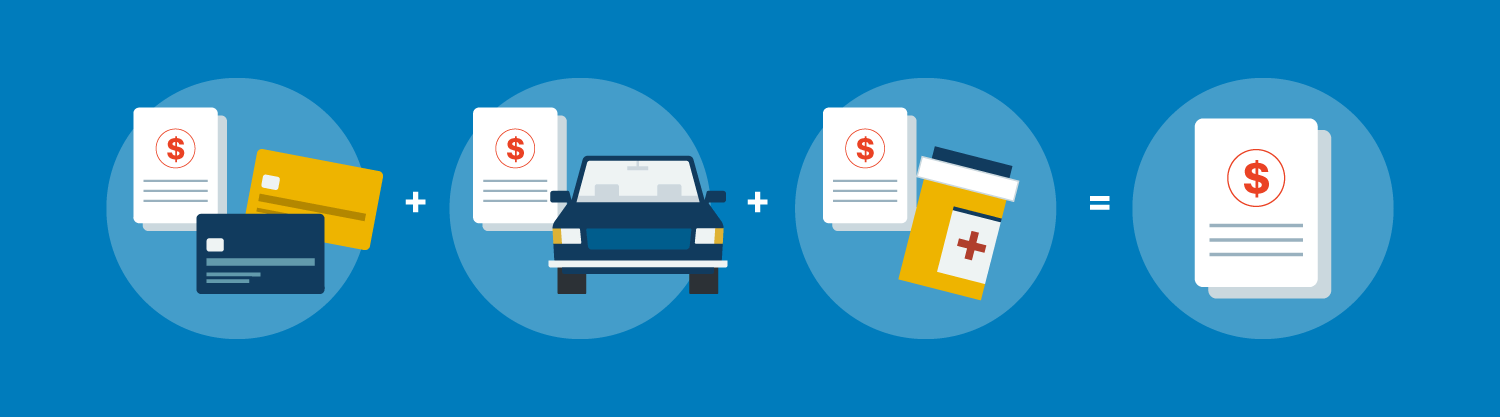
Debt consolidation combines multiple high-APR debts into a single payment—ideally at a lower APR, with a defined end date. It can help save money and simplify your finances, but whether it makes sense depends on your credit profile, the APR you can qualify for, and your ability to avoid new debt after consolidation.
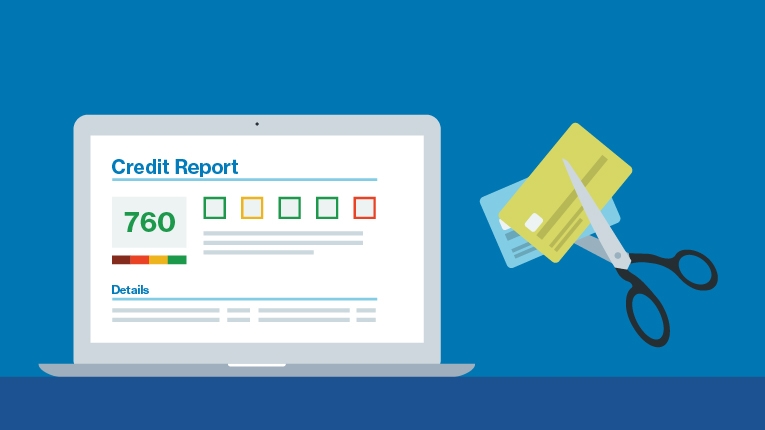
Applying for a personal loan may affects your credit score differently at each stage of the process: from the initial rate check through to full repayment. A personal loan can affect a credit score positively or negatively over time, depending upon several factors.

When you consider taking out a personal loan, there are two ways in which your rate can be structured. The choice affects not just your monthly payment, but the total cost of borrowing over the full term, particularly if your loan runs several years.
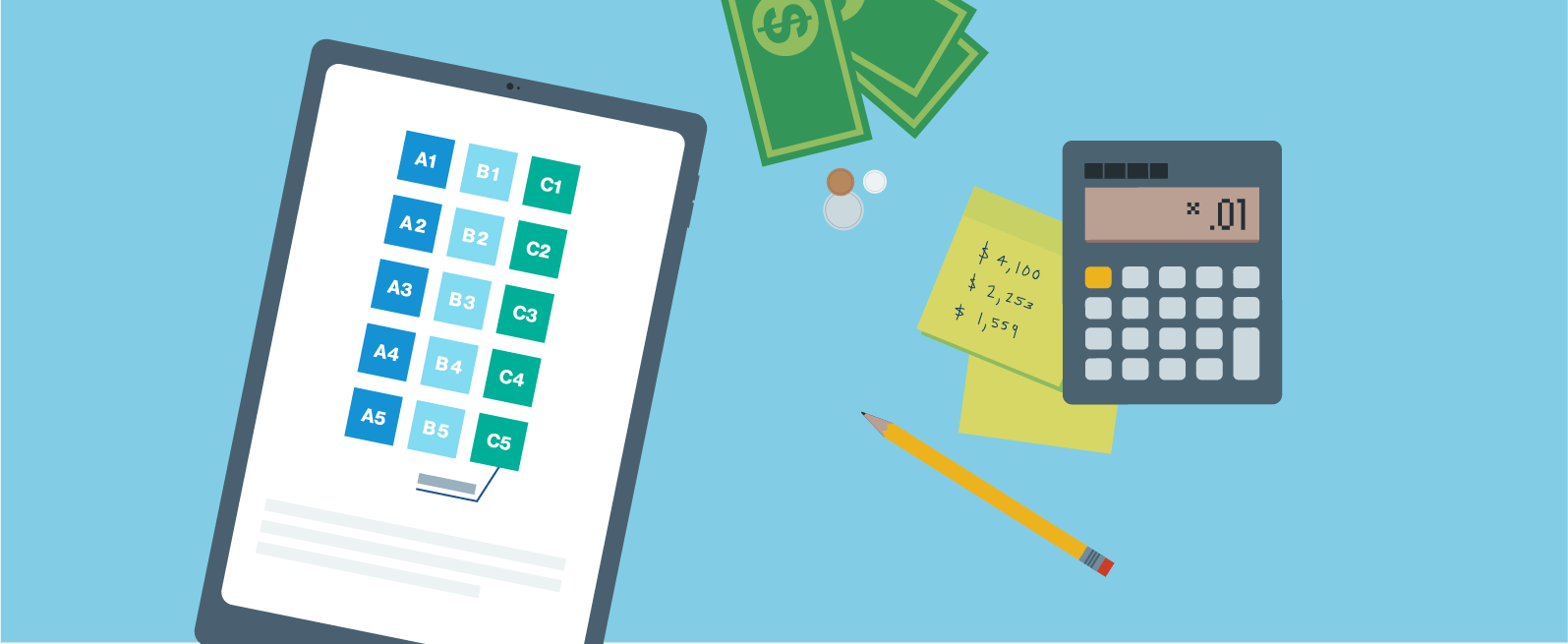
When people worry about debt consolidation hurting their credit, they’re usually thinking about how a loan application affects their credit score. What may negatively affect a credit score is a missed payment, a closed account that shortens your credit history, or new spending on the cards you just paid off.
Related Impact
Today, we are thrilled to announce the completion of our acquisition of Radius Bancorp, Inc. (“Radius”). In February 2020, we announced our intent to acquire Radius and shared how we can grow and deepen our customer relationships with a marketplace bank.

Today, we are thrilled to announce the completion of our acquisition of Radius Bancorp, Inc. (“Radius”). In February 2020, we announced our intent to acquire Radius and shared how we can grow and deepen our customer relationships with a marketplace bank.
Related FAQ's
You can view and manage most of your account information by signing in on the web or using the Happen Bank mobile app, including your password, phone number, physical address, loan documents, payment methods, and two-factor authentication settings.
Contact our team at 833-498-1399.
The Society for Worldwide Interbank Financial Telecommunication (SWIFT) Code is a unique identification code that may be required by some banks, broker-dealers, and investment managers for the completion of international wire transfers.
Personal Banking Customers: Our Elite and Reserve Tier customers can place a wire via Online banking or the Happen Bank Mobile app. For all other customers, they can reach out to Customer Service at 800.242.0272 to initiate a wire.
LevelUp Savings is a high-yield savings account that rewards you with a higher LevelUp Rate when you make deposits of at least $250 per statement cycle.
Related Glossary
{noun} A type of credit that allows the borrower to make charges and payments against a set borrowing limit, paying interest only on outstanding balances.
{noun} The amount of unpaid interest that has accumulated as of a specific date, either on a loan or an interest-bearing account or investment.
{noun} The total annual cost to borrow money, including fees, expressed as a percentage.
A debt that is written off as a loss because the financial institution or creditor believes it is no longer collectible due to a substantial period of nonpayment.
{noun} An interest rate that remains the same for a set time, usually for the life of the loan.