{noun} Credit bureaus are companies that collect and maintain information about consumer borrowing and repayment history, and then compile this data into what are commonly referred to as “credit reports.”
Credit Bureau
January 29, 20234 min read
What Is a Credit Bureau?
Credit bureaus, also known as consumer reporting agencies, are companies that collect and maintain information about consumer borrowing and repayment history. This information is then packaged into credit reports for purchase by lenders, landlords, and other businesses who use them to inform decisions about providing you with credit, employment, housing, insurance, and other situations.
The largest and most commonly used nationwide consumer reporting companies are Equifax, Experian, and Transunion. In addition to the three major credit bureaus, there are several smaller credit reporting agencies that specialize in collecting specific types of information such as apartment rental payments, bank account usage, and auto insurance claims, and employment. You have a right to see your credit report from any consumer reporting agency.
How Do Credit Bureaus Operate?
Generally, credit bureaus collect and maintain detailed information about your credit history from sources such as financial institutions, lenders, federal agencies, collection agencies, and public records. They organize the details into a standardized credit report and, with permissible purpose, provide your credit report to businesses and individuals who may request it.
Companies that wish to send customer account information to the credit bureaus must apply and enter a service agreement with each bureau. Generally, businesses that wish to provide customer account information to the credit bureaus must:
Provide their credentials
Report on a minimum number of accounts
Agree to report on both negative and positive accounts
Follow a specific reporting format
Use industry-standard dispute processes
Have an on-site inspection, in some cases
In addition to your credit report, the information collected by credit bureaus is used to calculate your credit scores—a three-digit number that help businesses predict your credit behavior.
Credit bureaus do more than just furnish credit reports and credit scores. They may also offer credit monitoring to consumers, and businesses may access additional products and services for determining fraud risk, screening tenants, and verifying identity and employment history.
The Fair Credit Reporting Act requires credit bureaus to follow specific rules to protect consumers and provide accurate credit information. For example, the law restricts credit report access to businesses without a permissible purpose, and furnishers of data are required to report accurate data, and must fix errors, inaccuracies, and any information that cannot be verified. Additionally, consumers must be given access to their credit information, typically for free, or at low cost.
Why Are Credit Bureaus Important?
Credit bureaus, which maintain information on approximately 250 million consumers, play an important role in both individual finances and the banking system. In addition to providing lenders and creditors with access to the consistent and reliable information they need to make informed decisions about extending credit, credit bureaus help consumers monitor and protect their credit and identity.
Banks rely on accurate credit data to prevent market failures by lending to consumers with low default and fraud risk. For example, mortgage lenders rely on accurate and timely credit information for mortgage loan underwriting.
Only a few decades ago, borrowers largely depended on an established relationship with a local bank for credit-based products and services. Today, data gathered by credit bureaus allow a mortgage lender to offer mortgage products across state lines.
Members of major U.S. credit bureaus—Equifax, Experian, and TransUnion—and the Consumer Data Industry Association are part of a task force that maintains credit reporting guidelines for companies that furnish credit data.
What Types of Information Do Credit Bureaus Collect?
Equifax, Experian, and TransUnion collect information about your borrowing and payment habits, including:
Original loan amounts and credit limits
Current loan and credit card balances
Account opening date
Current account status
Late payments
Collections
Inquiries into your credit report
Public records, such as bankruptcy and foreclosure
Generally, credit bureaus can report negative information only for a set amount of time:
Most negative information is reported for seven years.
Lawsuits can remain on your credit report for seven years, or until the statute of limitations runs out, whichever is longer.
Bankruptcy can be reported for as long as 10 years.
How Can You View the Information a Credit Bureau Has About You?
You can check your credit reports for free from all three major credit bureaus at least once every 12 months at AnnualCreditReport.com, although the credit bureaus may allow you to access them more regularly. Credit bureaus also must provide a free credit report in certain circumstances, such as when:
You've had an application denied in the last 60 days because of information on your credit report.
You're unemployed and planning to look for a job within 60 days.
You're receiving public assistance.
You've had a fraud alert placed on your credit report.
You've been a victim of identity theft.
You can also purchase your credit report directly from any of the credit bureaus.
Why Are Credit Reports from Each Credit Bureau Different?
Credit reports may look different from one agency to the next because some businesses and organizations do not report to all three credit bureaus, and credit bureaus generally don't share information with each other. Because of this, some of your accounts may not appear on all three credit reports. Businesses may also send credit report updates to each bureau at a different time of the month, which means one credit report may have more recent information than another.
Unfortunately, it's not uncommon for credit bureaus to have inaccurate or incomplete information. Generally, if you find an error or inaccuracy on your credit report, you can dispute it with the credit bureau and attempt to have it corrected.
How Do You Contact the Main Credit Bureaus?
To dispute errors or correct inaccuracies on one or more of your credit reports, contact:
You May Also Like
Related Articles
With direct creditor payment, funds from your debt consolidation loan are disbursed to your outstanding accounts rather than being deposited into your bank. Some lenders offer an APR discount for borrowers who choose this feature. Here are five lenders that offer direct pay options.

Debt consolidation combines multiple high-APR debts into a single payment—ideally at a lower APR, with a defined end date. It can help save money and simplify your finances, but whether it makes sense depends on your credit profile, the APR you can qualify for, and your ability to avoid new debt after consolidation.
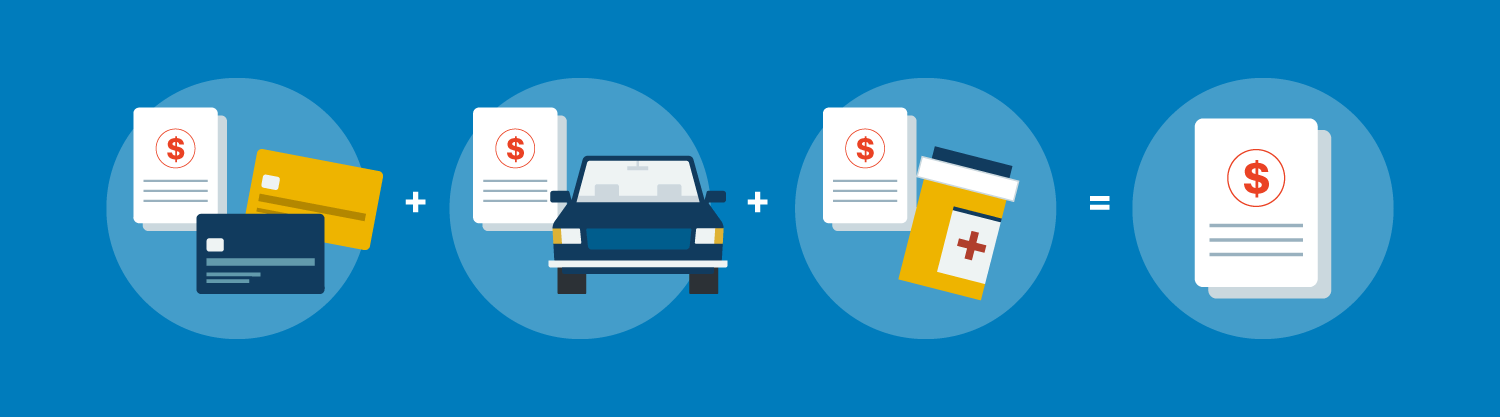
Debt consolidation replaces multiple high annual percentage rate (APR) balances with one fixed-APR personal loan. Before applying, knowing exactly what is owed, verifying that it actually saves money, checking your credit score, gathering documents, and checking your rate to see the actual APR before committing are important steps. This guide walks through each step in order.
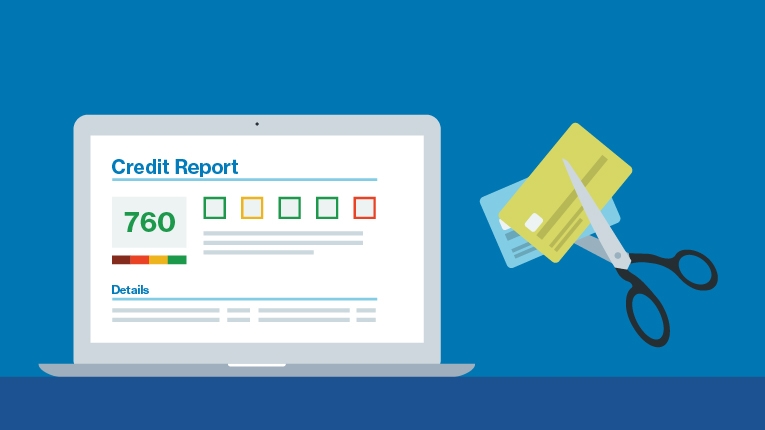
Applying for a personal loan may affects your credit score differently at each stage of the process: from the initial rate check through to full repayment. A personal loan can affect a credit score positively or negatively over time, depending upon several factors.

When you consider taking out a personal loan, there are two ways in which your rate can be structured. The choice affects not just your monthly payment, but the total cost of borrowing over the full term, particularly if your loan runs several years.
Related Impact
Today, we are thrilled to announce the completion of our acquisition of Radius Bancorp, Inc. (“Radius”). In February 2020, we announced our intent to acquire Radius and shared how we can grow and deepen our customer relationships with a marketplace bank.

Today, we are thrilled to announce the completion of our acquisition of Radius Bancorp, Inc. (“Radius”). In February 2020, we announced our intent to acquire Radius and shared how we can grow and deepen our customer relationships with a marketplace bank.
Related FAQ's
You can view and manage most of your account information by signing in on the web or using the Happen Bank mobile app, including your password, phone number, physical address, loan documents, payment methods, and two-factor authentication settings.
Contact our team at 833-498-1399.
The Society for Worldwide Interbank Financial Telecommunication (SWIFT) Code is a unique identification code that may be required by some banks, broker-dealers, and investment managers for the completion of international wire transfers.
Personal Banking Customers: Our Elite and Reserve Tier customers can place a wire via Online banking or the Happen Bank Mobile app. For all other customers, they can reach out to Customer Service at 800.242.0272 to initiate a wire.
LevelUp Savings is a high-yield savings account that rewards you with a higher LevelUp Rate when you make deposits of at least $250 per statement cycle.
Related Glossary
{noun} A type of credit that allows the borrower to make charges and payments against a set borrowing limit, paying interest only on outstanding balances.
{noun} The amount of unpaid interest that has accumulated as of a specific date, either on a loan or an interest-bearing account or investment.
{noun} The total annual cost to borrow money, including fees, expressed as a percentage.
A debt that is written off as a loss because the financial institution or creditor believes it is no longer collectible due to a substantial period of nonpayment.
{noun} An interest rate that remains the same for a set time, usually for the life of the loan.