{noun} A measure of the long-term trend of the change in the price of consumer goods and services.
Core Inflation
January 29, 20233 min read
A request by a lender to a credit bureau to look at your full credit report that will impact your credit score.
What is Core Inflation?
Core inflation is a measure of the long-term trend of the change in the price of consumer goods, excluding the more volatile categories of food and energy.
How Is Core Inflation Measured?
Core inflation can be measured using one or more Bureau of Economic Analysis (BEA) price indexes, such as the Consumer Price Index (CPI), the Personal Consumption Expenditures Price Index (PCEPI), or the Gross Domestic Product Price Deflator. However, the Federal Reserve is currently on record as using core PCEPI data provided by the U.S. Bureau of Economic Analysis (BEA) as its preferred core inflation gauge.
The core PCE price index is a measure of the prices that U.S. consumers pay for goods and services, excluding food and energy (as these categories may distort overall trends). The core PCE price index is known for capturing inflation (or deflation) across a wide range of consumer expenses as well as changes in consumer behavior.
The Federal Reserve uses the core PCE price index (versus the CPI) to measure core inflation because it tends to show inflation trends that are less influenced by short-term price changes. Also, the BEA uses existing gross domestic product (GDP) data and, along with monthly retail survey data, compares this with CPI data to remove data irregularities and provide a holistic and detailed view of long-term trends.
Why Are Food and Energy Costs Excluded?
Food and energy costs have a direct impact on household budgets, and they tend to be the focus of the media during times of high inflation. However, because these categories can swing wildly and rapidly in either direction, they’re not considered representative of the overall changes in price levels and are excluded from core inflation calculations.
Why Is Core Inflation Important?
Core inflation is important because it is used to determine the relationship between the price of goods and services and consumer income.
Over time, if the prices for goods and services rise while consumer income stagnates, this trend can erode consumers’ purchasing power. In other words, the value of money (or income) decreases because of the rising cost of goods and services. And if the cost of goods and services rises too quickly, it could cause a slowdown in overall economic growth due to consumers having less spending power to contribute to the economy.
Inflation can be particularly damaging if consumer income doesn’t keep up with the rate of core inflation. If core inflation increases faster than your income, your standard of living may suffer as a result.
On the other hand, if the prices of goods and services remain constant while wages and salaries increase, consumers’ purchasing power rises. Typically, in this environment asset inflation also occurs (e.g., rising investment portfolios and real estate prices) which can provide consumers with potential extra spending power.
How Does Core Inflation Affect the Economy?
If the core inflation rate increases too quickly, it can have a broad impact on the overall economy, hurting consumers and businesses alike and stalling economic growth.
One of the tasks of the Federal Reserve is to help maintain a healthy inflation rate for the U.S. economy. One way the agency does this is by raising and lowering its federal funds rate, which influences short-term interest rates charged by lenders on consumer loans, including credit cards, personal loans, auto loans, and more.
How Does the Federal Reserve Try to Control Inflation?
The Federal Reserve influences the availability and cost of money and credit to promote a healthy economy. Generally, the Federal Reserve makes monetary policy decisions using three primary tools (reserve requirements, discount rate, and open market requirements) to make monetary policy decisions which then influence the federal funds rate—the interest rate that rate financial institutions charge each other for loans in the overnight market for reserves.
If the core inflation rate is seen as on trend to exceed the Federal Reserve’s target of 2% and remains there, the Federal Reserve may consider using one or more of its monetary policy tools to influence and raise its federal funds rate. If this happens, lenders may increase their interest rates, making borrowing more expensive for consumers. The expected result is lower consumer spending and less demand for goods and services, followed by an expected drop in the rate of inflation.
Another effect of a higher federal funds rate is higher interest rates on deposit accounts, particularly high-yield CDs and high-yield savings accounts. But if these rates are lower than the core inflation rate, consumers will still lose purchasing power.
You May Also Like
Related Articles
Debt consolidation replaces multiple high annual percentage rate (APR) balances with one fixed-APR personal loan. Before applying, knowing exactly what is owed, verifying that it actually saves money, checking your credit score, gathering documents, and checking your rate to see the actual APR before committing are important steps. This guide walks through each step in order.
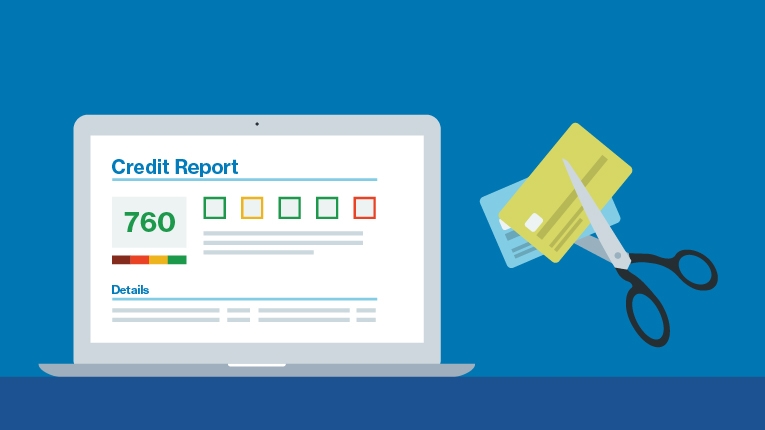
Debt consolidation combines multiple high-APR debts into a single payment—ideally at a lower APR, with a defined end date. It can help save money and simplify your finances, but whether it makes sense depends on your credit profile, the APR you can qualify for, and your ability to avoid new debt after consolidation.
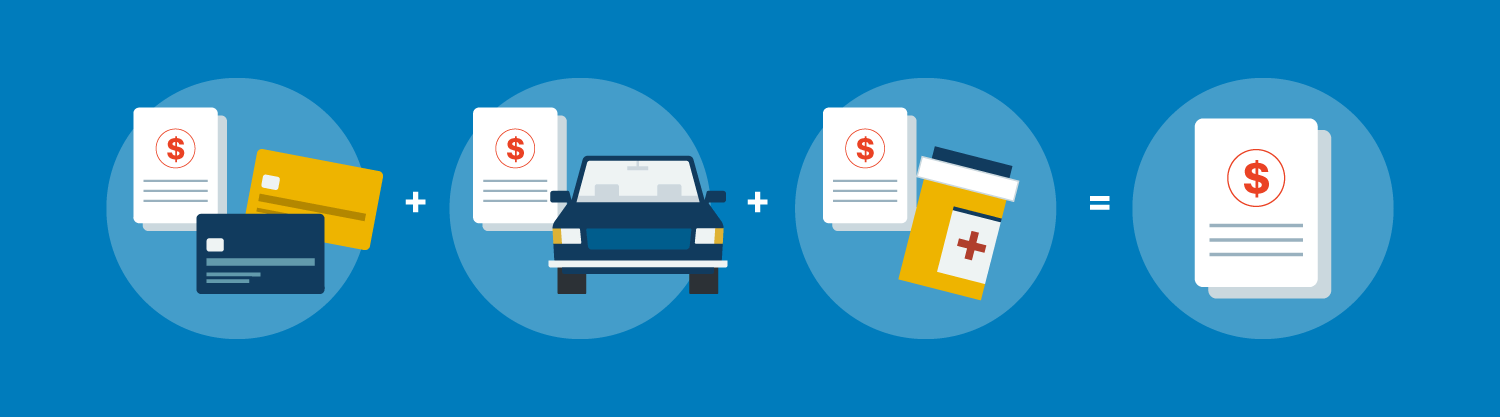
Applying for a personal loan may affects your credit score differently at each stage of the process: from the initial rate check through to full repayment. A personal loan can affect a credit score positively or negatively over time, depending upon several factors.

When you consider taking out a personal loan, there are two ways in which your rate can be structured. The choice affects not just your monthly payment, but the total cost of borrowing over the full term, particularly if your loan runs several years.
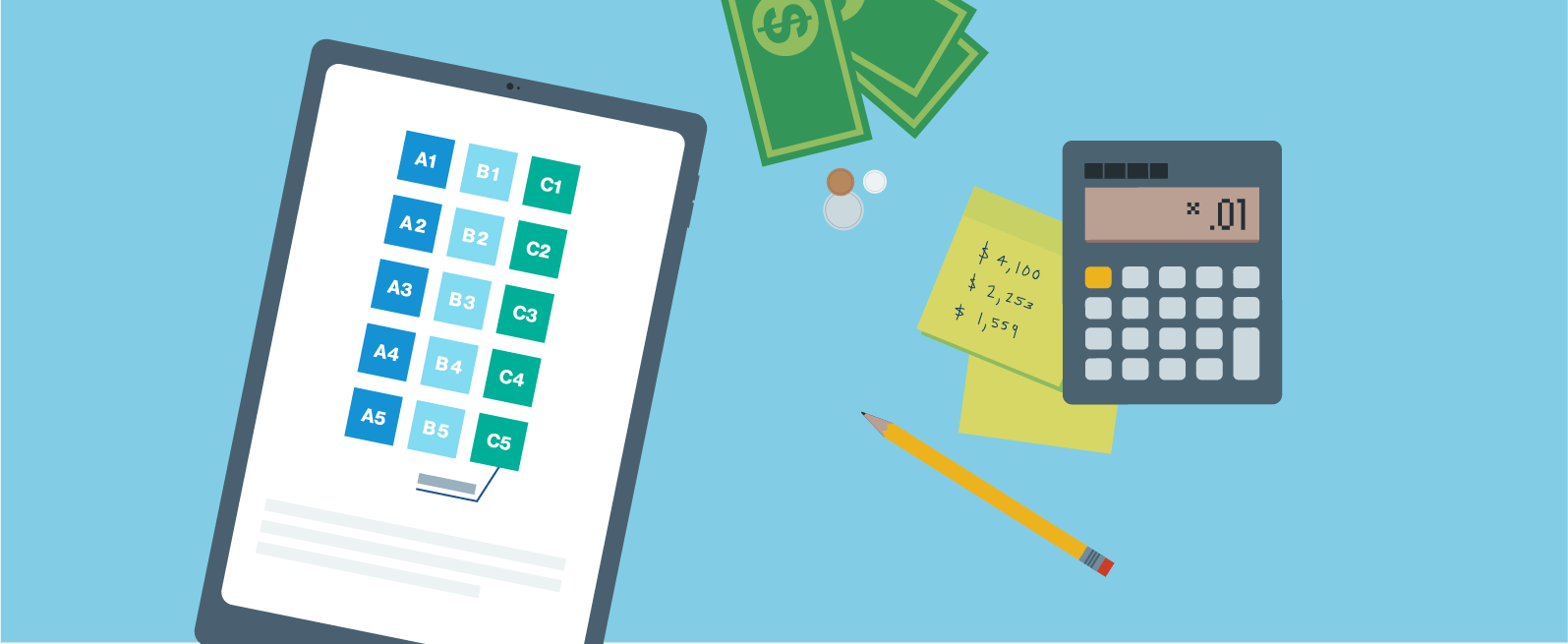
When people worry about debt consolidation hurting their credit, they’re usually thinking about how a loan application affects their credit score. What may negatively affect a credit score is a missed payment, a closed account that shortens your credit history, or new spending on the cards you just paid off.
Related Impact
Today, we are thrilled to announce the completion of our acquisition of Radius Bancorp, Inc. (“Radius”). In February 2020, we announced our intent to acquire Radius and shared how we can grow and deepen our customer relationships with a marketplace bank.

Today, we are thrilled to announce the completion of our acquisition of Radius Bancorp, Inc. (“Radius”). In February 2020, we announced our intent to acquire Radius and shared how we can grow and deepen our customer relationships with a marketplace bank.
Related FAQ's
You can view and manage most of your account information by signing in on the web or using the Happen Bank mobile app, including your password, phone number, physical address, loan documents, payment methods, and two-factor authentication settings.
Contact our team at 833-498-1399.
The Society for Worldwide Interbank Financial Telecommunication (SWIFT) Code is a unique identification code that may be required by some banks, broker-dealers, and investment managers for the completion of international wire transfers.
Personal Banking Customers: Our Elite and Reserve Tier customers can place a wire via Online banking or the Happen Bank Mobile app. For all other customers, they can reach out to Customer Service at 800.242.0272 to initiate a wire.
LevelUp Savings is a high-yield savings account that rewards you with a higher LevelUp Rate when you make deposits of at least $250 per statement cycle.
Related Glossary
{noun} A type of credit that allows the borrower to make charges and payments against a set borrowing limit, paying interest only on outstanding balances.
{noun} The amount of unpaid interest that has accumulated as of a specific date, either on a loan or an interest-bearing account or investment.
{noun} The total annual cost to borrow money, including fees, expressed as a percentage.
A debt that is written off as a loss because the financial institution or creditor believes it is no longer collectible due to a substantial period of nonpayment.
{noun} An interest rate that remains the same for a set time, usually for the life of the loan.