How to manage personal debt when interest rates rise

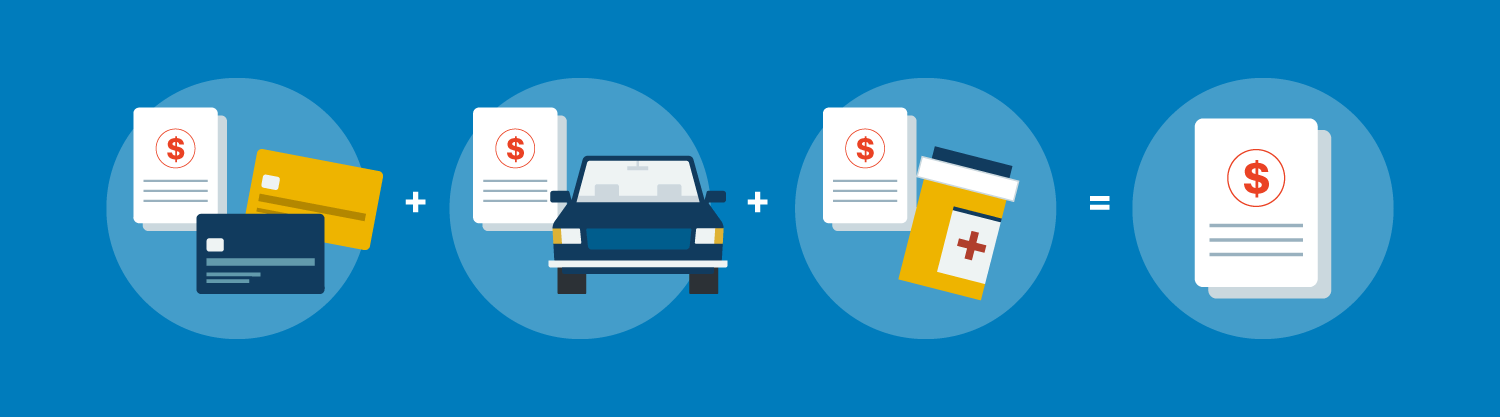
Interest rate levels are a factor in the supply and demand of credit, generally rising or falling based on the Federal Reserve’s economic and monetary policies and inflation. Since interest rates influence how we borrow and spend, interest rate fluctuations directly impact our personal finances, especially when it comes to personal debt.
We tend to borrow less when rates rise as debt becomes more expensive. Rising interest rates can also affect existing debt as well as new debt. Let’s look at some of the ways rising interest rates may affect various types of debt.
What happens to your debt when interest rates rise?
Anytime the Federal Reserve decides to raise interest rates, it typically creates a ripple-effect throughout the economy. One area where it’s usually felt most is on the personal debt you may be carrying. However, not all personal debt is affected by rising rates in the same way. Generally, certain types of existing fixed-rate debt may not be impacted in the same way as variable-rate debt in a rising rate environment.
Fixed-rate debt
Fixed interest rate debt—where the annual percentage rate (APR) is set for a predetermined length of time—generally remains unaffected by interest rate increases. Types of fixed-rate debt may include:
Unsecured personal loans
Fixed-rate mortgages
Student loans
Auto loans
Unless you plan to refinance your loan, your interest rate and monthly payment on fixed-rate debt remains stable, offering a form of protection from fluctuations in interest rates.
When it comes to credit cards, the vast majority have variable interest rates (see more on them below), and cards with fixed rates are uncommon. If you happen to have a credit card with a fixed APR, even it may not be immune to a change in interest rate because card issuers are allowed to make a change in terms. For example, you may receive a notice 45 days in advance of your proposed rate increase. The notice gives you a chance to opt out of the change, but doing so could result in the issuer canceling your card.
Variable rate debt
Variable-rate debts fluctuate in response to market interest rates. When market interest rates increase, interest and payments on these debts typically also rise. Higher payments can put pressure on the rest of your budget, especially if you have multiple debts with variable interest rates, such as:
Variable-rate credit cards
Adjustable-rate mortgages (ARMs)
Home-equity lines of credit (HELOCs)
The variable rates on these types of loans—and the amount of their monthly payments—generally increase when the Federal Reserve raises interest rates.
What to do when interest rates rise
If you have one or more variable-rate debts, you may need a plan to prevent rising interest rates from throwing you off your budget or triggering a personal financial crisis.
1. Prioritize paying down high-interest, variable-rate debt first.
As interest rates rise, reducing your variable rate debt can help you save money on the increasing cost of borrowing that money and minimize your exposure to the effects of rising rates. This is especially so if you’re carrying, or revolving, multiple variable interest rate balances from one month to the next
Consider starting with your highest-interest, variable-rate debt first, such as credit card balances. Generally, credit card debt is one of the most expensive types of debt, and, in the long run, you’ll save money by prioritizing paying down these balances whether or not interest rates are expected to continue to rise.
Next, take a look at other variable-rate debts you may be carrying. Since your interest rates aren’t locked in, or fixed, on these debts either, your borrowing cost could potentially continue to increase on these balances as well, costing you more over time.
2. Manage your personal debt when interest rates rise.
Methods for paying down multiple high-interest, variable-rate debt when rates are rising include debt consolidation and debt paydown acceleration.
Credit card consolidation loan: Consolidating credit card debt generally involves using a fixed-rate unsecured personal loan or home equity loan to pay off high-interest, variable-rate debt. While it may be difficult in a rising interest rate environment, consolidating into a new loan that offers a fixed rate that’s lower than the average interest rates on the debt you’re consolidating is what you’re aiming for. Locking in a fixed interest rate provides some protection against the possibility of future interest rate increases.
0% APR balance transfer credit card: Using a credit card balance transfer to combine multiple credit card balances onto a single credit card is another way to consolidate debt, however there are some risks. Taking advantage of a 0% promotional interest rate can offer you a chance to pay down the new balance with no interest at all for a certain length of time (from 6 months to one year or more).
If you’re diligent about paying down your balance within the timeframe of the promotional period without taking on any new, additional debt, this approach can be effective and help you avoid interest accrual. However, you may become complacent and pay less each month than you should, or you may spend impulsively and accrue even more on your new or existing cards. And depending on the card you select, you may pay an initial balance transfer fee and any late payments could be grounds for early cancellation of promotional rates.
If interest rates continue to increase over a long period of time, 0% APR offers may become hard to find.Debt avalanche method: When interest rates are rising, if you can focus on putting more money toward paying down debt, it can help accelerate the speed at which you’re able to pay off your debt and potentially lower the total amount of interest you’ll pay over the term length of your loan. The debt avalanche method speeds up the process of debt paydown by showing you how to tackle your highest-interest-rate debts first so you can pay down your variable debt more quickly as rates are rising.
3. Sharpen your budget and reduce expenses.
When thinking about what to do when interest rates rise, sticking to a budget can help. This is especially so if you have variable, high-interest-rate debt you want to start to pay down more aggressively. For example, following an easy budgeting method like the 50/30/20 rule can help you learn how to track the flow of your money throughout the month while allocating a certain portion to savings and debt paydown.
Start by itemizing your monthly spending, including bills and savings. Then compare the total to your monthly income. The idea is to have money left over at the end of every week or month that you can put toward paying down more of your debt. If your expenses are higher than your income, review your expenses and identify areas where you can reduce your spending. By reducing your spending, you can generate the extra cash you’ll need to accelerate pay down of your existing credit card and loan balances. Especially when interest rates are creeping up, having a solid budget in place make it a good time to adjust your spending and savings to target debt.
4. Protect your credit score.
Knowing what to do when interest rates rise means understanding the importance of maintaining a good credit score. While interest rates don’t directly affect your credit scores, they can influence other factors that do.
For example, when you need to take out a loan, a higher credit score may help you access better loan terms and more favorable interest rates based on your credit history. Also, since credit card default rates tend to rise when interest rates go up as it becomes more challenging for borrowers to keep up with monthly payments, staying on top of your bills is critical for protecting your credit score.
As the variable rate on credit cards rise with rising interest rates, more of your monthly payment goes toward interest, which may increase your balances as well as your credit utilization–the amount of credit you’re using—both of which can have a negative impact on your credit score. While paying down your credit card balance faster can lower both your balances and credit utilization rate, if you’re able to pay your balance in full each month, it can help you avoid interest payments and may lower your credit utilization ratio, reducing the impact on your credit score.
Managing personal debt when interest rates rise FAQs
How do rising interest rates affect me?
Your monthly debt payments could increase, especially if you have variable-rate debts. It may be harder to qualify for new loans—you may need to show higher income and credit scores.
Who benefits when interest rates go up?
Savers and investors generally benefit from rising interest rates. As savings account and CD rates go up, deposits earn more interest.
Who gets hurt when interest rates rise?
Generally, borrowers with variable interest rate debt are affected the most by a rising interest rate environment. This is because their monthly payments typically increase along with rising rates. New homebuyers may also have to adjust to paying market premiums, reducing their expectations about how much home they can afford (compromising on square footage, features, etc.), or delay home-buying plans altogether as the cost of buying a home often goes up with rising interest rates. With fewer homebuyers in the market, sellers generally also face more challenges in selling their homes at the prices they were hoping to receive.
The bottom line
What happens when interest rates rise largely depends on the type of debt you’re carrying. At the same time, depending on your personal financial situation, it can affect your decisions about borrowing and spending money.
Certain types of existing debt can get more expensive as interest rates increase, particularly variable, high-interest rate debt such as any balances you may be carrying on one or more credit cards. Accelerating your debt paydown or consolidating your credit card or other variable-rate debt can limit your exposure to rising interest rates, potentially saving you on the cost of borrowing in the long run.
While it’s more prudent to wait until interest rates fall or stop rising before taking on new debt, maintaining a good credit score by continuing to pay your monthly bills on time can help you get the most favorable rate if you do have to take out a new loan.
You May Also Like