How to get approved for a car loan in 5 steps

Buying a new car is exciting when you’re deciding on what you want, picking the color, and testing out all the cool new features. Getting a car loan, on the other hand, can feel a lot less exciting—and a whole lot more complicated.
In a nutshell, to get approved for a car loan, you should:
Check your credit report and scores.
Have a steady income and understand your budget.
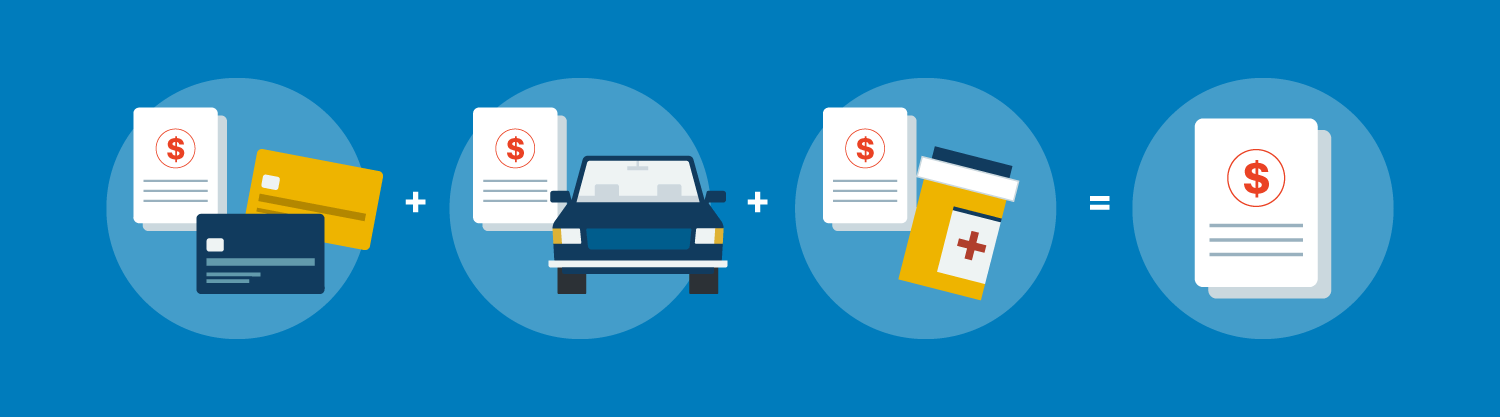
Reduce your existing debt.
Save for a down payment.
Compare offers from multiple lenders to secure the best deal.
As tempting as it may be to skip over the details and skim the fine print, accepting the first loan you’re offered can cost you more in the long run. Before you head to the dealer, get familiar with the ins and outs of car loans so you can make a more confident—and cost-saving—decision.
How to get approved for a car loan and buy a car
These steps can help you get the best rate on your loan and the best deal on your purchase.
1. Check your credit reports and scores.
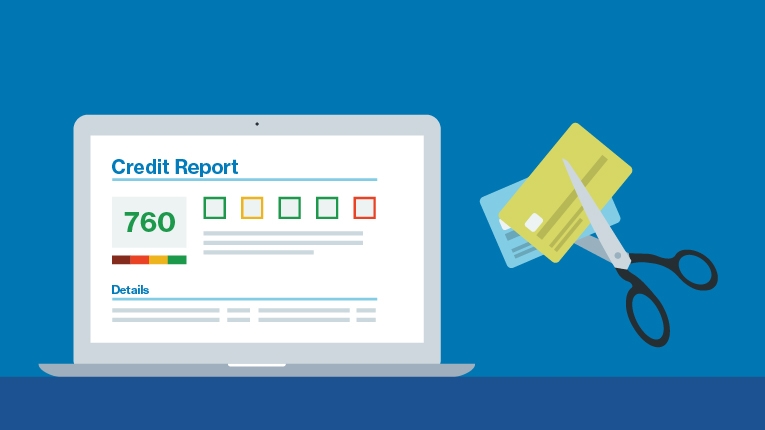
Review your credit report and scores to see where you currently stand. Look for ways to improve your credit—like paying down revolving account balances—before applying for an auto loan. Also, look for and dispute errors in your credit reports that may be hurting your scores.
You can get a free copy of your credit report from each of the major credit bureaus—Experian, Equifax, and TransUnion—once every 12 months.
2. Understand your budget guidelines.
Use an auto loan calculator to see how much you may be able to afford to borrow. Longer loan terms can help lower your monthly payment, but may increase your total cost over the life of the loan. Alternatively, shorter loan terms might be cheaper overall, but you’ll need to make sure you can afford the monthly payments.
Don’t forget additional costs that come with owning a vehicle—like gas, insurance, and registration.
3. Shop around for auto financing.
When you’re ready to buy your vehicle, you can apply for loans that require a hard credit check.
Keep in mind: While you may be able to get financing offers at a dealership, dealer-arranged financing is often more expensive. Many car dealers make money on the financing arrangement—with you paying the extra cost.
4. Head to the dealership—finally!
Once you have an auto loan offer in hand, you can head to a dealership or reach out to sellers. Use your budget and the results from the loan calculator (plug in your best loan offer) to determine how much you can spend.
Remember, most cars are priced to leave room for negotiations. If you receive a loan outside the dealership, you’ll be negotiating as if you’re a “cash buyer,” which might give you an edge.
5. Sign on the dotted line and begin making auto payments.
After agreeing on a price, you’ll need to complete all the paperwork to purchase the vehicle. The actual financing process can vary depending on the lender—so make sure you take the time to confirm the details.
Some lenders may be able to send the money directly to the sellers. If you’re buying a car from a private party, your lender may make out a check to the seller or lienholder. Once you take out the loan and hand over the money, you’ll need to start making your loan payments.
FAQ
What do you need to qualify for a car loan?
Qualifications can vary depending on the lender and the vehicle you’re buying. In general, having good credit, a low debt-to-income ratio, and a low loan-to-value ratio can increase your chances of getting approved.
How do you get an auto loan with bad credit?
Getting a vehicle loan can be more difficult if you’re working to improve your credit scores, but there are financing options available. Once you improve your credit, you may be able to refinance your auto loan to get a lower interest rate or monthly payment.
How do car loans affect your credit score?
A car loan can affect your credit score in different ways. Applying for and taking out a new loan could lead to a hard inquiry and lower your average age of accounts, which could hurt your credit. However, the new loan may positively increase your credit mix, and repaying the loan on time could help your scores.
What is the best way to get a car loan?
The best way to get a car loan is to shop for a loan from several lenders to see which offers you the most favorable terms. If you don’t need a car loan right away, you could try to improve your credit or financial situation before applying.
What do you need to get a car loan from a bank?
You may need to agree to a credit check and show copies of documents that prove your identity, income, and residency to get a car loan. Additionally, you’ll need to share information about the vehicle. You may also need proof of auto insurance before a dealership will release the vehicle for you to drive home.
Which bank is best for car loans?
Different banks may cater to various needs, such as loans for new or used vehicles or loans tailored to different levels of creditworthiness. As a result, there’s no single best bank, credit union, or lender. You may want to check with your current bank or shop around to find an auto loan that best fits for your financial situation.
You May Also Like