Banking on consumer credit: A smart move in today’s uncertain times

Bank leaders today are navigating a complex list of ever-changing challenges. With a premium on liquidity, commercial real estate under duress, and credit risks shifting across sectors, traditional asset strategies are being re-evaluated — forcing banks to rethink where, and how, they deploy capital.
The typical investment mix of long-term loans and securities may turn out to yield lackluster results. Banks may have another investment option: consumer credit.
In recent years, consumer credit has emerged as a viable, but often overlooked investment alternative for banks that want to balance out their long-duration, lower-yielding fixed income portfolios. In particular, personal loans — a growing sub-class within consumer credit — have proven to be a solid investment option for banks, thanks to their short durations, high yields, and solid returns. Some banks choose to build a portfolio of personal loans by offering the product directly; others choose to invest in loan portfolios originated by fintech or other banks. Many banks like working with fintechs to benefit from access to the asset without the added infrastructure.
Understanding personal loans as an asset class
Consumer lending has a market size of $27 trillion (and growing) and is generally categorized into two core groups: property-backed residential mortgages and non-property-backed consumer loans. As an asset class, it offers investors access to a wide range of opportunities that provide exposure to the creditworthiness of consumers – from traditional residential mortgages and personal loans to emerging products, like buy now, pay later (BNPL) loans.
This massive growth in consumer lending has largely been fueled by changing consumer behaviors and technology advances.
Four key benefits of personal loans as an asset class
When banks choose to invest in consumer lending, and more specifically the sub-asset class of unsecured personal loans, they can benefit from the following:
1. Quality borrowers
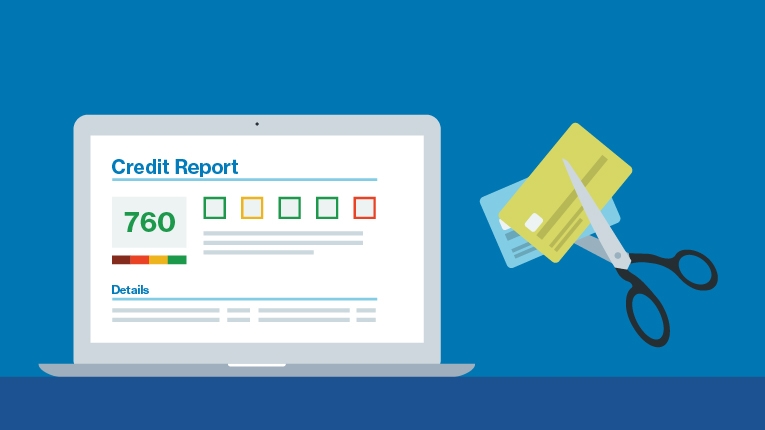
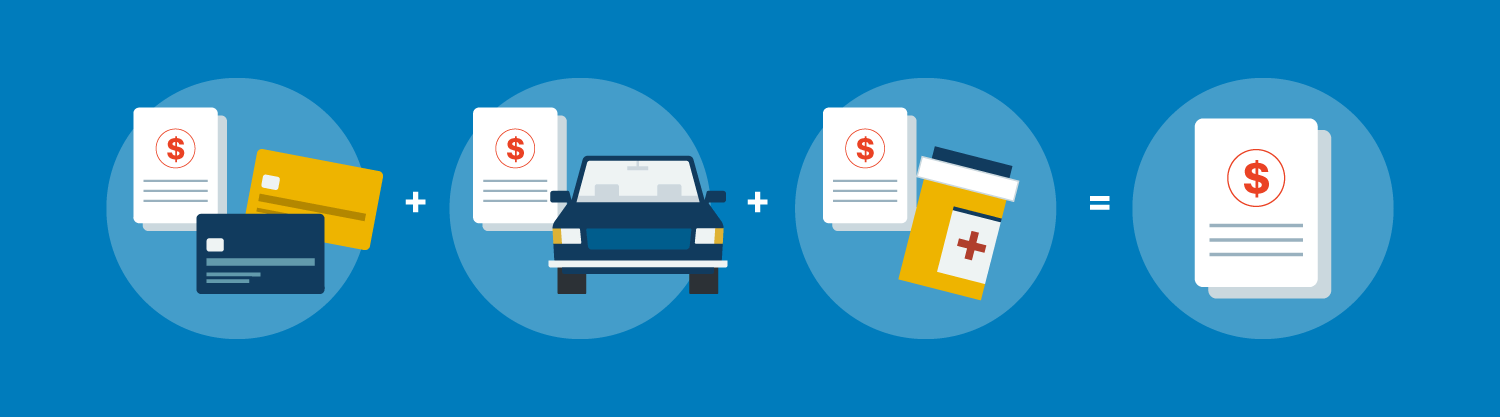
Consumers that take out personal loans are often individuals that are actively looking to improve their financial future. Borrowers are usually in their mid-30s to mid-50s with established credit histories, higher incomes, and relatively solid credit scores. They want to find a way to manage their debt responsibly and generally use personal loans to consolidate high-interest credit card debt.
After consolidating debt with a personal loan, borrowers can benefit from one simple payment, fixed terms, and fixed interest rates. Plus, it’s common for their credit scores to increase. Happen Bank, formerly LendingClub, members, for instance, see a credit score increase of 48 points, on average, after consolidating debt with a personal loan.
2. Solid returns banks can count on
Personal loans often have shorter durations (with terms typically ranging from 24- to 72-months) compared to longer-dated asset classes, like mortgages. They also typically offer higher yields (typically approximately 6-8%) with a steady stream of income coming from borrowers who repay their loans.
Delinquency rates for personal loans are low and trending downward across all risk tiers. In the last quarter of 2024, TransUnion reported the 60+ days past due delinquency rate dropped to 3.57%, down from 3.90% the previous year.
3. Opportunity for diversification
With their relatively high yields and short durations, personal loans offer banks the chance to diversify their investment portfolios. Long-duration, lower-yielding and traditional fixed income assets will likely continue to be a part of a bank’s investing strategy; adding shorter-duration assets can help balance out a portfolio.
4. A growing asset class
Personal loans as a market segment continue to grow. The latest quarterly data on the US personal loans segment from TransUnion shows a 15% uptick in originations over the previous year — marking the third consecutive quarter of year-over-year growth.
Currently, 23.5 million US consumers have an unsecured personal loan, with total loan balances reaching $251 billion, according to the latest TransUnion figures.
A strong choice in uncertain economic times
In this political and economic climate, the banking and lending regulatory landscape faces many unknowns. A changing regulatory and macroeconomic landscape could keep the industry in limbo for months to come.
During times of unpredictability, it can be hard for investors to evaluate and make longer-dated investments. Short duration investments can provide compelling returns with a shorter time horizon.
What to consider when investing in personal loans
When investing in personal loans, investors can choose from a range of structures with different risk and return profiles. For instance, Happen Bank offers investors the flexibility to purchase loans on a passive or active basis, in bulk or as individual loans. Loans can also be purchased as whole loans or in security format.
Before investing in personal loans, banks should determine their objectives and where they want to play on the risk-return spectrum. They should also determine the best provider to work with—ideally one with deep experience in the space and a track record of delivering compelling returns.
The bottom line
With heightened uncertainty as multiple economic forces put pressure on banks’ balance sheets, U.S. banks would do well to look to new options. Despite the macro headwinds facing U.S. banks — tighter monetary policy, commercial real estate stress, and deposit volatility — personal loans stand out as a resilient asset class.
Amid falling valuations in fixed-income securities and rising credit risk in commercial real estate and corporate lending, personal loans offer a diversified, high-yielding, and risk-adjusted opportunity that aligns with the ever-evolving needs of banks.
You May Also Like