How to get your first small business loan

Key Takeaways
A small business loan can be used to cover large expenses that help your business grow.
You’ll need to take steps to prepare to apply for a loan, like creating a business plan.
New business owners don’t always qualify for a business loan so you may need to consider alternatives.
Growing your business can be an exciting time. It may also mean you need to come up with some extra cash to cover large expenses. Whether you’re looking to buy new equipment or lease a larger commercial space, a small business loan may be able to provide the funding you need to reach your goal.
4 steps to take before getting your first small business loan
Business loans can be tricky, especially for new business owners, but there are some steps you can take before getting your first small business loan. Here’s a closer look at what to do before getting your first small business loan.
1. Research what it takes to qualify
Small business loans from banks and credit unions often have strict requirements. For example, many lenders only offer loans to businesses that have been in business for six months to a year, and some may require a minimum of at least two years in operation.
The annual revenue your business earns is also a deciding factor. Many lenders require a minimum annual revenue between $50,000 to $250,000.
2. Prepare a business plan
Virtually any issuer of business loans, from a local financial institution to the U.S. Small Business Administration (SBA) to a private partner or investor, will want to see a business plan that shows how you plan to grow your company (and how a loan can enable that).
A good business plan includes a “SWOT analysis” that spells out your company’s strengths, weaknesses, opportunities and threats; revenue and earnings projections for the next one to five years, plus any costs of production, distribution, and marketing.
The SBA provides advice and examples of effective business plans. And if you need additional guidance, the SBA-affiliated nonprofit SCORE.org may be able to pair you with a mentor who can give you the benefit of real-world experience.
3. Create a balance sheet
Lenders typically want to see documentation of your company’s assets and liabilities, spelled out in a formal balance sheet. Assets can include equipment you own, product inventory, intellectual property and money you’re owed (accounts receivable). Liabilities include debts, outstanding leases on equipment or facilities, payroll, and employee benefits costs.
Running these numbers can also help you determine if you’re able to afford the cost of a loan. Keep in mind that a business loan is another monthly expense on top of your existing operating costs. While the loan may provide your business the opportunity to grow, and ultimately earn more income, this may not happen overnight.
If you’re unsure how to create a balance sheet, a financial professional, like a certified public accountant (CPA) can help.
4. Check your credit score
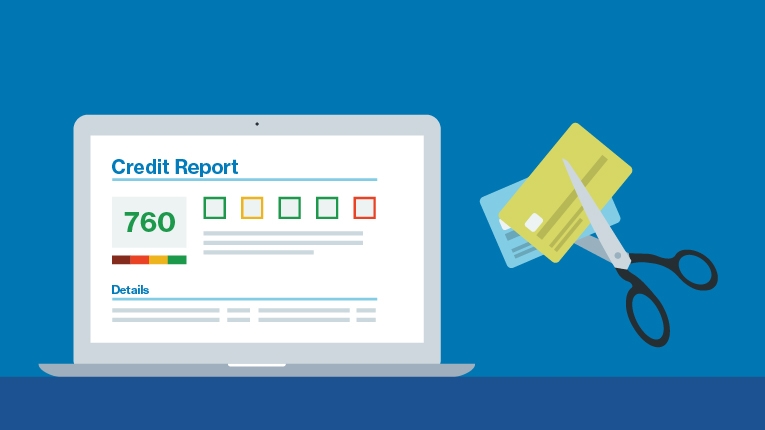
Lenders generally check your credit when considering an application for a small business loan — whether you’re applying with your own credit or using business credit. Before applying for a small business loan, it’s a good idea to check your credit report to know where you stand.
Borrowers with poor credit are less likely to qualify for the best rates. So if your credit isn’t in the greatest shape, you may want to consider holding off on applying for a loan until you can improve your score.
Determine which type of small business loan is right for you
Business owners can choose from many different types of small business loans. Finding the right business loan depends on many factors, including how long you’ve been in business, the financial health of your business, your credit, and how much you need to borrow.
Here’s a closer look at some of the common types of small business loans.
Small business loan
Traditional small business loans are available from banks and credit unions. With this type of loan, you’ll generally be able to get competitive interest rates, large loan amounts, and long repayment terms. To qualify, you’ll likely need consistent business revenue, a business that’s been established for at least two years, and good credit.
Government business loan
The SBA offers low-interest small business loans with long repayment terms. Under the 7(a) program, the SBA guarantees some types of small business loans issued through banks. The SBA also has a 504 loan program that can help you cover the cost of big purchases needed to grow your business like buildings, equipment, or land.1
Nonbank small business loan
Traditional lenders like banks and credit unions may not be the best option if your business hasn’t been around long enough to qualify. Entrepreneurs looking to finance a startup business may have better luck applying for a small business loan from an online lender as online loans may have few restrictions to qualify. Online lenders often offer fast funding, sometimes as fast as the day you apply for the loan, but you’ll likely pay interest rates than with a bank or credit union.
Microloan
Microlenders are nonprofits that offer small, or micro, loans to businesses. Loan amounts are typically under $50,000 and the application process is detailed and lengthy. Micro loans often require lots of upfront work, like presenting a detailed business plan, financial statements, and an explanation of how you’ll use the loan. If you’re trying to fund a startup with no operating history, lack collateral, or have poor personal credit, a microloan offers an opportunity to borrow cash.
What do you need to apply?
Lenders may have different requirements during the application process. You’ll likely need to provide some or all of the following information:
Business information: Applications typically require you to share basic information about your business, including business name, address, and employer identification number (EIN). You may also have to provide a business plan or other documentation about your plans to use the loan money.
Business owner details: Whether you’re a solo entrepreneur or own a business with others, lenders require you to share personal information about each business owner, like Social Security numbers and addresses.
Financial statements: To help gauge risk, lenders generally require documentation about how your business is doing financially, like annual revenue, profit and loss statements (P&L), tax returns, and bank account statements. You may need to provide this information for the business as well as any business owners.
Potential collateral: Lenders may want you to offer assets they can seize and sell in case you fail to repay your loan. This can include property owned by your company or, in a manner comparable to secured car loans and mortgages, equipment or other assets being financed through the loan.
Alternatives to small business loans
Not all business expenses require a small business loan. And in some cases — like if your business is new or you have less-than-perfect credit — you may not be able to qualify for a business loan. If you still need access to cash, here are some options to consider:
Business line of credit
If you need to fund cash flow for day-to-day expenses, a business line of credit may be a good choice. It lets you make purchases or issue checks against a preset borrowing limit, and to pay back those sums as you’re able, so that you pay interest only on the funds you use. This flexible form of financing can help you cover expenses like payroll or unexpected repairs and may be easier to qualify for than a small business loan.
Small business credit card
If you don’t yet qualify for a small business loan, a business credit card could be a good option — especially if you only need to borrow small amounts of cash. Look for zero-interest credit cards or cards with perks that can help grow your business, such as cash back or travel rewards.
Personal business loan
If a small business loan is out of reach, you may still be able to borrow money as an individual using a personal loan. Just keep in mind that you’ll likely still need good credit to get the best rates.
The bottom line
For those who qualify, small business loans can be a helpful tool to finance expenses like new equipment or other costs to help expand your business. Choosing the right fit for your business and financial situation can be tricky — especially if you need to seek funding from an online lender or microlender.
Before applying for a business loan, it’s also important to make sure you can afford the monthly payments. If you’re not sure which type of small business loan is right for your business, check with a trusted business advisor, like a CPA.
1. https://www.sba.gov/partners/lenders/7a-loan-program/types-7a-loans
You May Also Like