Why a good credit score is important when buying a car

If you’re in the market for a new car, you might be wondering if your current credit score will help you get a good deal or hold you back.
To buy a car, a credit score of around 660 or higher is typically needed to secure favorable loan terms, though higher scores can lead to better interest rates and more financing options. Lower scores may still qualify for loans but often come with higher interest rates.
What credit score do you need to buy a car?
According to Experian’s Q1 2024 State of the Automotive Finance Market report, the typical car buyer needs a credit score of 755 for new car loans and 686 for used car loans. However, don’t be alarmed if your score isn’t there yet—these are just averages, and qualifying for an auto loan can be subjective. A higher credit score doesn’t guarantee approval and a below-average credit score won’t necessarily prevent you from qualifying either.
Minimum credit score to buy a car
There’s no universal minimum credit score to buy a car—credit score minimums vary from lender to lender. With that said, Experian’s State of the Automotive Finance Market report found that 69% of vehicles financed were for borrowers with a credit score of 661 or higher.
Benefits of a higher credit score
Of course, having a good credit score (670-739[1]) is always better—and it increases your chances of qualifying for a car loan.
It makes sense. Think about the process from a lender’s perspective. Imagine you’re trying to decide whether or not to lend a stranger money, with the promise they’d return the funds. Would you lend money to someone with a history of missed payments? Or would you prefer to lend money to someone who has historically made their payments on time? That’s why lenders prefer applicants with good credit scores.
It can save you money
A good credit score can also keep money in your wallet. If you have a higher credit score, auto lenders are more likely to offer you loans with favorable terms, like a lower interest rate, longer-term (e.g., a five-year loan versus a three-year loan), or larger loan amount.
How much you save may vary by lender. For example, if you have a $20,000 new car loan with a 36-month term, here’s how your credit score could impact your monthly payment and total interest.
FICO score | 720-850 | 690-719 | 660-689 | 620-659 | 590-619 | 500-589 |
Annual percentage rate (APR) | 7.40% | 8.55% | 10.30% | 12.42% | 16.76% | 17.65% |
Monthly payment | $621 | $632 | $648 | $668 | $711 | $720 |
Total interest paid | $2,365 | $2,746 | $3,334 | $4,059 | $5,584 | $5,902 |
Source: myFICO.com as of 8/8/2024
You have a higher chance of approval
If you have a good credit score, you have a better chance of qualifying for a loan through a traditional lender, such as a bank or credit union. These lenders may offer better rates unlike dealership financing which can sometimes be more expensive with less favorable terms—such as prepayment penalties.
You can score better interest rates
A better credit score can help you score lower interest rates. As you can see from the table above, the interest savings are significant from tier to tier. A credit score in the top tier only pays $2,365 of interest over the life of the loan. Conversely, a score between 500 and 589 leads to $5,902 of interest—an extra $3,537.
You may have lower monthly payments
Owning or leasing a car can be expensive. And auto loan payments plus the cost of car insurance can be a steep line item in your monthly budget. But the higher your credit score, the more likely you are to secure a lower monthly payment for your car loan. That’s less money going out the door and more in your bank account.
How to get a car loan with no credit
If you have a less than ideal credit history—or no credit history at all—you aren’t relegated to bicycles and public transportation until the end of time. You may still be able to get a car loan. You can improve your strength as an auto loan applicant through a few strategic moves, even if you have minimal or poor credit.
Make a bigger down payment
When you purchase a car, you’ll have the option to make a down payment. This reduces the size of your loan and helps build positive equity in your vehicle. Lenders like that.
More specifically, lenders prefer a lower loan-to-value ratio (LTV). So, if you make a bigger down payment, you decrease your LTV.
Keep in mind depreciation waits for no one. Your car's value takes a hit as soon as you drive off the lot. A down payment can help offset that inevitable drop.
Find a co-borrower
There’s nothing wrong with leaning on the financial shoulder of a partner or relative. If you have lower credit scores (or no credit whatsoever), you can apply for an auto loan with a co-borrower or cosigner that has better credit. That said, it’s worth mentioning that your cosigner effectively promises to cover the loan if you stop making payments.
Build credit first
Even if you don’t have credit, it’s possible to find a less conventional lender that’s willing to give you an auto loan. However, your loan offer might include higher interest rates, prepayment penalties, or other less-than-desirable terms. If you can manage without a car, it might be a wiser personal finance decision to build credit first and avoid high interest rates.
3 Ways to build credit and save money when buying a car
Building credit helps you qualify for an auto loan and secure the best terms, such as a lower interest rate. This translates to lower monthly loan payments and more money in your pocket. Fortunately, building credit’s not as complicated as you might think.
Avoid late payments
Your payment history accounts for 35% of your FICO credit score. If you want to increase your score, make your payments on time, every time. This is low-hanging fruit for all wannabe credit-builders out there.
Lower your credit utilization
Behind payment history, your credit utilization significantly impacts your credit score. By lowering this metric (e.g., paying down credit card debt), you can improve your score and rake in savings on your auto loan.
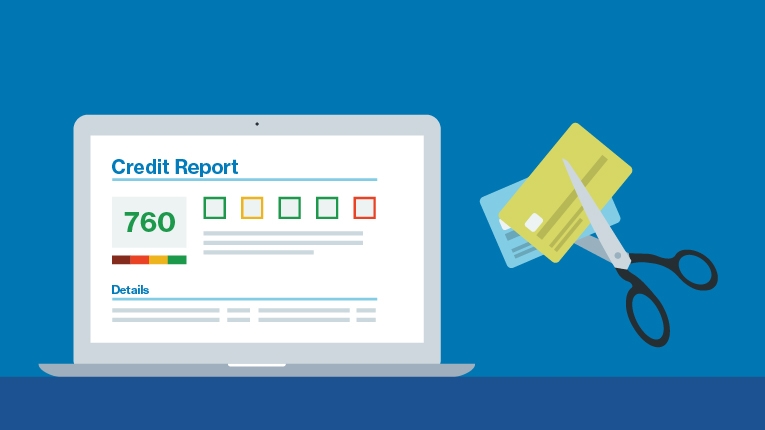
Check your credit report
Have you checked your credit report recently? If not, you might be selling yourself short to auto lenders. Credit reports aren’t impervious to errors—it’s more common than you’d think.
As part of a ConsumerReports study, 5,858 volunteers checked their credit reports for mistakes, and 34% of participants found at least one error.
Did you know you’re entitled to free credit reporting each year? You can get a copy of your report from the major credit bureaus: Equifax, Transunion, and Experian.
Auto loan credit score FAQs
Can an auto loan help me build credit?
When you take out your loan, your credit score might take a dip. This is normal because you’re increasing your total debt. But as you make on-time payments and repay your loan, your credit score could increase.1
What credit score do I need to buy a car with no money down?
Minimum credit score requirements vary from lender to lender—regardless of your down payment. That said, a down payment is still worth considering, especially if you want a lower monthly car payment.
How will my credit score affect my car loan?
The better your credit score, the better your odds at getting a car loan with favorable terms. A higher score could translate to better rates and the option of a longer term. However, your credit score alone doesn’t guarantee approval or denial (or even access to the best rates).
Does my credit score matter when buying a new vs. used car?
Your credit score always matters when taking out a loan. So it will still be taken into account regardless if the car is old or new. But if you’re paying cash, the dealer may not need to see your credit report or credit score.
You May Also Like