10 steps to debt consolidation: What to know before you apply
Debt consolidation replaces multiple high annual percentage rate (APR) balances with one fixed-APR personal loan. Before applying, knowing exactly what is owed, verifying that it actually saves money, checking your credit score, gathering documents, and checking your rate to see the actual APR before committing are important steps. This guide walks through each step in order.
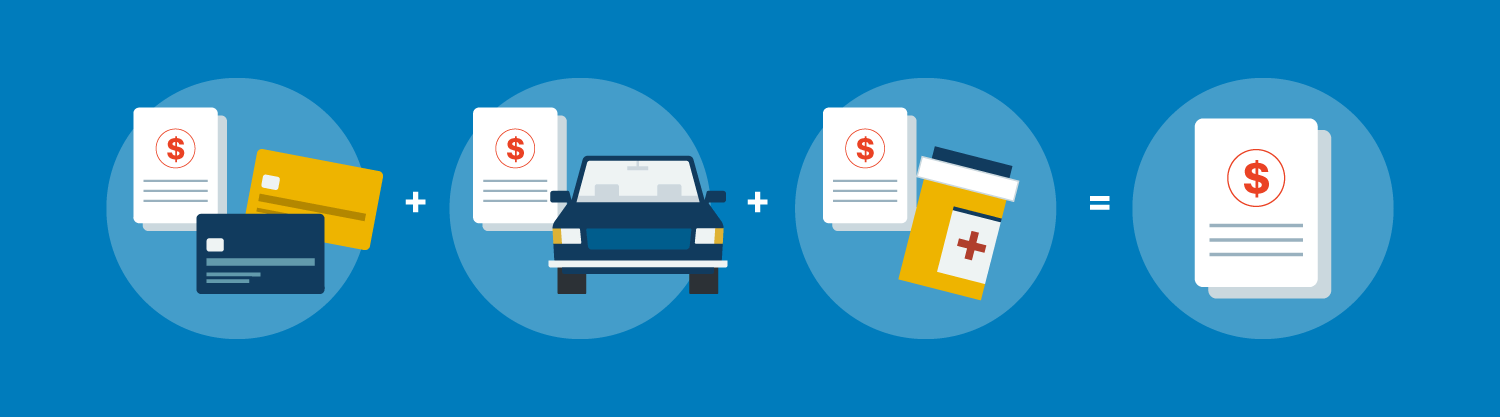
At first, you may not notice it. You open a credit card app to make one payment, but then you see three more due dates coming up. Your balances may have grown slowly—a medical bill one time, a car repair another, a few expensive events in a row. Suddenly, you’re managing several high-APR payments, and it’s eating away at your income and your payoff progress.
A debt consolidation loan can simplify the situation by replacing multiple debts with one loan and one monthly payment. But simpler doesn’t necessarily mean cheaper. A lower monthly payment can sometimes come with a longer repayment term. Fees can also impact your balance.
Step 1: Listing every balance you plan to consolidate
Before deciding whether consolidation is viable, it is recommended that the debt you would be replacing is fully understood.
For each account, you may take note of:
Creditor name
Current balance
Annual percentage rate (APR): the actual APR you’re being charged on your current balance
Minimum monthly payment
Annual fee or other payoff rules
This is your starting point. Everything that follows depends on these numbers being accurate in order to compare loan offers.
Step 2: Calculating your weighted average APR
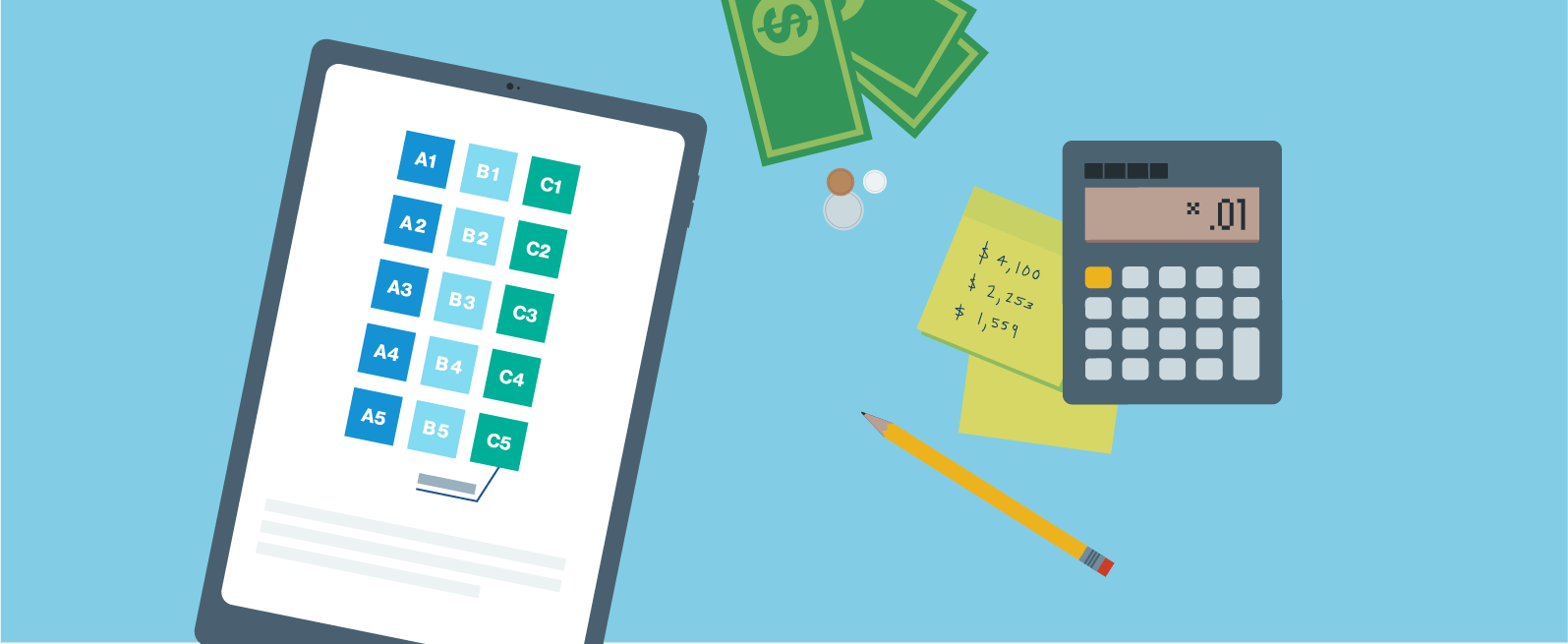
Your weighted average APR—the combined average APR of multiple loans or debts—gives you a useful benchmark. It counts larger loan balances with more weight than smaller ones.
To estimate it, multiply each balance by its APR, add those figures together, then divide by your total balance. This number can be used as a baseline when comparing consolidation loan offers.
You may also compare the loan’s monthly payment, repayment term, and total amount to be repaid. According to the Consumer Financial Protection Bureau, a lower payment stretched across more years could still cost you more overall.
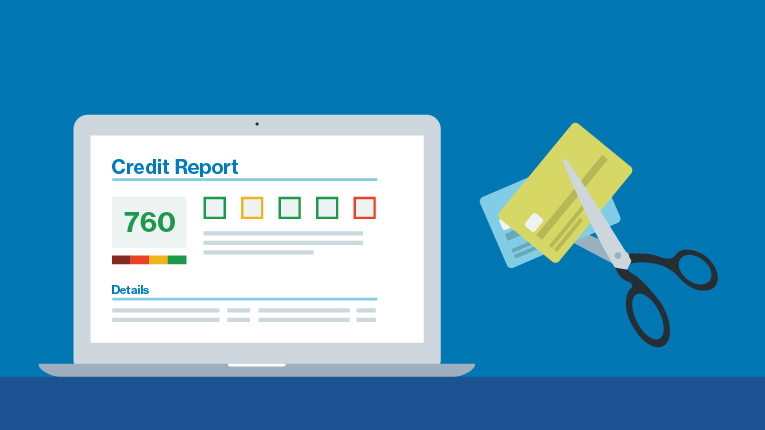
Step 3: Checking your credit score Your credit profile is one of the factors lenders may consider when determining approval and loan terms. You can access your full credit report for free at AnnualCreditReport.com. Check reports from Equifax, Experian, and TransUnion for accuracy. If you find errors—incorrect balances, accounts that aren’t yours, or outdated negative items—disputing them is an option. Checking your score before you apply helps set realistic expectations and may reveal errors worth disputing before you submit your application.
Step 4: Determining your debt-to-income (DTI) ratio Your debt-to-income ratio (DTI) compares your monthly debt payments to your gross monthly income. Divide your total monthly debt by your gross monthly income. According to Experian, you may get approval for a loan with a DTI of 50% or below—though under 35% is ideal. A higher DTI may potentially limit the loan options or rates available, depending on the specific lender.
Step 5: Choosing your loan amount and term Borrow exactly what you need—the total of the balances you’re consolidating. Rounding up adds cost without any benefit. Compare at least two repayment options:
A shorter term typically means higher monthly payments and less total interest.
A longer term typically means lower monthly payments but more interest paid over time.
The goal is to see the monthly payment and total cost for each option. Don’t just think about lowering your monthly payment. The plan you choose should be one you can afford while also keeping the total cost of the loan reasonable.
Step 6: Gathering your documents Having your paperwork ready before you start can make the application process faster. Typically, the following documents may be needed:
Government-issued photo ID
Social Security number
Recent pay stubs or bank statements
Proof of address
Employer and income information
Bank account and routing numbers
Recent federal tax returns if you are self-employed or have variable income
Step 7: Checking your rate Many lenders allow you to check your rate before applying. This usually gives you an APR, term, and monthly payment estimate without affecting your credit score, as it typically uses a soft inquiry. Having access to estimated loan terms can allow you to compare offers from multiple lenders before you make a decision.
Step 8: Comparing APR, fees, and total repayment When you compare offers, it is generally recommended that you use APR—which includes the interest rate and any origination fee—as it reflects the true cost of the loan. Put each offer side by side and look at:
APR
Loan amount available after fees
Monthly payment
Repayment term
Total amount to be repaid
Late-payment fees and other charges
Any prepayment penalties
Step 9: Confirming how creditors will be paid Choosing an offer with direct payment to creditors could be an option with some lenders. If that option is available, you may ask which accounts qualify and how the disbursement works. Contact your lender to confirm any restrictions. With Happen Bank’s Direct Pay, you may be eligible for an additional discount on the APR.1 After accepting an offer, you remain responsible for payments due on existing accounts until each balance has been paid off and the payoff has been applied. Follow your creditor's instructions for any payments due during this period. Step 10: Having a plan for paid-off accounts Closing paid-off credit accounts typically reduces available credit and can shorten average credit history length: two factors that affect credit utilization and credit score calculations.
Debt consolidation can be a useful reset if used responsibly. The key is finding a competitive loan offer with a repayment plan that works for your budget.
Check your rate with Happen Bank
Check your rate at Happen Bank. NerdWallet named Happen Bank’s personal loan best for overall debt consolidation in 2026.
Frequently asked questions
What is debt consolidation?
Debt consolidation combines multiple debts—typically high-APR credit card balances—into one new loan or repayment plan. You use the loan proceeds to pay off eligible balances, then make one monthly payment to a new lender. The goal is to reduce the total interest paid and simplify repayments.
How does debt consolidation work?
You apply for a personal loan for the total amount of debt you want to consolidate. If approved, the funds go to your bank account and you pay off the balances yourself—or they may go directly to eligible creditors through a direct payment program. From that point, you make one fixed monthly payment on the personal loan until the balance is paid off.
How do I apply for a debt consolidation loan?
Start by listing the debts you want to consolidate. Then review your credit reports and check your score. Some lenders allow consumers to check rates using a soft inquiry that generally does not affect their credit score. Once you select an offer, you submit a full application with income and identity documents. If approved, the loan is issued—either to you or directly to eligible creditors.
Does checking my rate affect my credit score?
No, if you check at Happen Bank. Checking your APR with Happen Bank generates a soft inquiry that doesn’t impact your credit score. A hard credit inquiry only appears on your credit report if and when a loan is issued to you.2
Disclosures
The APR discounted rate is a discount that some customers may receive for taking out a loan to pay down existing qualifying debt paid directly by Happen Bank; such rate is discounted from the rate given for taking a full cash loan. Not all applicants will qualify for the discount. Any actual discount rate will be determined at the time of application. The best APR discounts may be available to borrowers with excellent credit. Advertised discounted rates are subject to change without notice.
Checking a rate through us generates a soft inquiry on a person’s credit report, which does not impact that person’s credit score. A hard credit inquiry, which may affect that person’s credit score, only appears on the person’s credit report if and when a loan is issued to the person.
You May Also Like