Is debt consolidation worth it? Pros and cons
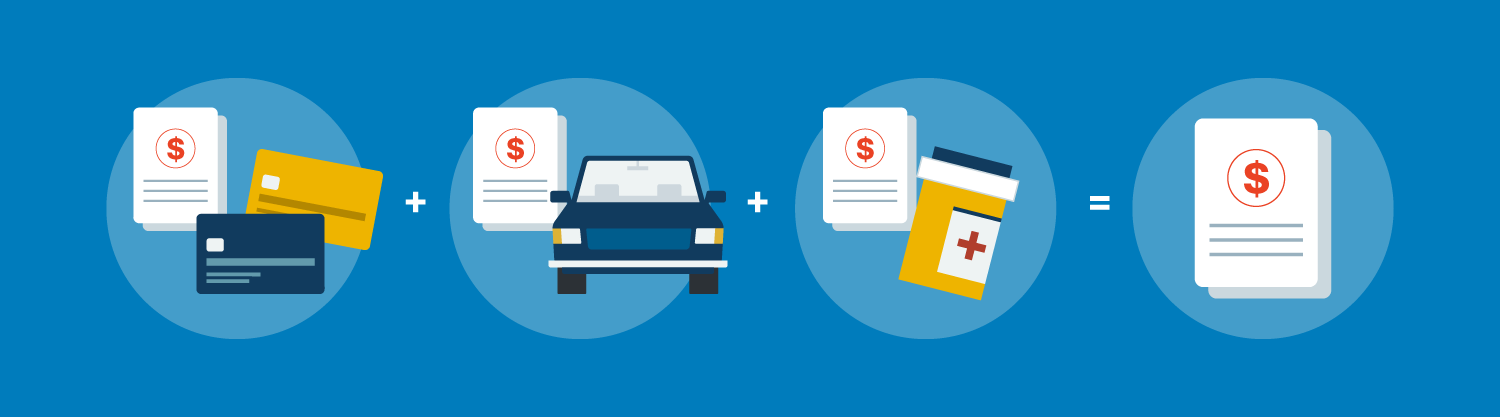
Debt consolidation combines multiple high-APR debts into a single payment—ideally at a lower APR, with a defined end date. It can help save money and simplify your finances, but whether it makes sense depends on your credit profile, the APR you can qualify for, and your ability to avoid new debt after consolidation.
Is debt consolidation worth it? Pros and cons
Meta title: Is Debt Consolidation Worth It? Pros and Cons | Happen Bank
Meta description: Debt consolidation can save you money and simplify your finances. Here’s a detailed guide on its advantages and disadvantages.
Quick answer
Debt consolidation combines multiple high-APR debts into a single payment—ideally at a lower APR, with a defined end date. It can help save money and simplify your finances, but whether it makes sense depends on your credit profile, the APR you can qualify for, and your ability to avoid new debt after consolidation.
Debt consolidation is one way to simplify a complicated debt picture: it combines several debts into a single payment, ideally at a lower APR. Whether it saves you money depends on your specific balances, your credit profile, and the terms you can qualify for. This guide weighs the main benefits and drawbacks of debt consolidation with a personal loan.
What debt consolidation actually is
Debt consolidation means combining multiple debts into one loan with a single monthly payment. A debt consolidation loan replaces multiple high-interest balances, such as credit cards, with one personal loan at a fixed APR, a fixed monthly payment, and a defined payoff date. The goal usually is to reduce the total interest you pay while simplifying repayment into a single obligation.
The pros of debt consolidation with a personal loan
A lower APR reduces what you pay in total. One of the main benefits is the potential for lowering the APR. The average credit card APR on accounts accruing interest was 22.15%. A personal loan at a lower rate can save money over the repayment period.
One payment instead of several. Managing multiple credit cards with different due dates, minimum payments, and APRs introduces complexity and risk. For example, a missed due date on any one of them can trigger a late fee and even impact your payment history on your credit profile. Having a single fixed monthly payment can help reduce this complexity.
A defined end date. With credit cards, you can carry a balance indefinitely, and interest continues to accrue as long as a balance remains. A personal loan, however, has a defined payoff date. You know exactly when the debt ends.
A credit score benefits from lower utilization. Credit utilization is a significant factor in FICO scoring. Paying off card balances lowers this ratio, which can have a positive effect on credit scores, though the impact varies by individual credit profile.
An APR discount for direct creditor payment. With some lenders, using direct-to-creditor payment reduces your APR. For example, Happen Bank’s Direct Pay offers qualifying borrowers a discount of 0.75% to 8%.1
The cons
It doesn’t work if the APR isn’t low enough. How much you save in interest depends on your current APR and your new debt consolidation loan APR. If the new APR isn’t lower, then it may not lead to savings.
A longer term can potentially increase total interest paid. If you consolidate into a longer loan term to lower your monthly payment, you may pay more in total interest than you would have on the original balances (even at a lower rate). Total cost, in addition to monthly payment, is an important consideration when comparing options.
Additionally, while a consolidation loan may pay down your card balances, building up new balances alongside the new loan can leave you with more total debt than you started with.
Is debt consolidation worth it? 4 things to consider
Here are four indicators that a debt consolidation loan may be worth evaluating in detail:
Your credit score qualifies you for a meaningfully lower APR. The APR you're offered beats the weighted average of your current balances.
The math confirms savings. After checking your rate and loan terms, use a loan calculator to assess how much you would be saving.
You're committed to stopping new card spending. Whether new balances are accumulated on cards after consolidation can affect the overall debt outcome.
You wish to simplify the payment structure. If keeping track of multiple debts with different due dates feels overwhelming, consolidating debt with a personal loan can help simplify the structure.
The fastest way to find out if debt consolidation is worth it Checking your rate is a practical starting point. Once you have an actual rate, compare it against your current weighted average card APR to see whether consolidation could lower your cost of borrowing. Check your rate in seconds with Happen Bank.2
Frequently asked questions Should I consolidate my debt?
It depends. If your credit card APRs are high and you can qualify for a personal loan at a meaningfully lower APR, consolidation is worth evaluating. Check your rate, then compare the total cost of the loan against what you’d pay continuing to carry the balances. If the loan saves money in the long run, then it may be worth doing.
Is debt consolidation a good idea if I have good credit?
It can be, if you qualify for a lower APR than that of your current debts. Borrowers with stronger credit profiles can potentially qualify for lower APRs on personal loans, although this depends on several factors. The lower APR can lead to higher savings
Is debt consolidation a good idea for saving money?
It can be, if the consolidation genuinely reduces your monthly payment obligations. But extending a loan term primarily to lower monthly payments can increase the total interest paid over the life of the loan. If saving money is the goal, confirm that you save on the total cost as well as the monthly payments
Should I close credit cards after consolidating?
Closing a credit card may reduce available credit and increase credit utilization, which can affect a credit score. The impact varies based on the consumer’s overall credit profile.
The APR discounted rate is a discount that some customers may receive for taking out a loan to pay down existing qualifying debt paid directly by Happen Bank; such rate is discounted from the rate given for taking a full cash loan. Not all applicants will qualify for the discount. Any actual discount rate will be determined at the time of application. The best APR discounts may be available to borrowers with excellent credit. Advertised discounted rates are subject to change without notice.
Between April 2026 and June 2026, 76% of Happen Personal Loan offers were generated in under a minute from the beginning of the application process.
You May Also Like